


Well-established Warhammer YouTube channel MiniWarGaming faces two huge challenges. First, the fulfilment of the Ravaged Star Gamefound campaign. In 2023, backers paid a total of $1.6 million to fund a new miniature wargame, and they're still waiting for their product to be delivered. This kind of delay always creates discontent, but the community fell into outright panic when news emerged of the second problem for MiniWarGaming - the business needs to make big cuts to stay afloat. I spoke to co-founder Dave Nordquist to learn what went wrong, and how MiniWarGaming can rebuild.
While some of the criticism directed at MiniWarGaming has been unpleasant, Nordquist says he's grateful to the community. "It was the community that kicked me in the head hard enough to get my attention to actually address this thing", Norqduist says. "They were loud enough that I heard it and that my attention was taken away from other things". Split attention is a theme we'll come back to in this interview.
Nordquist says explicitly "production has been paid for" to manufacture Ravaged Star, "it's just a matter of logistics and getting people their stuff". I realized after the interview that I didn't ask him about shipping costs, so I emailed him. He told me that MiniWarGaming's "project partners have confirmed that funds are available for shipping".
Nordquist has taken direct responsibility for keeping Ravaged Star backers updated on GameFound. The most recent update, on August 31, came with a report from the factory that wave one production was complete for UK and EU customers, while production of their wave two product was still ongoing but nearing completion. The update adds that "we are still working to verify the remaining steps, including final packing information, pallet information and freight logistics", and "until those steps are confirmed, I'm not going to give you another firm shipping date".
The decision not to give fans a firm shipping date is informed by how often previous, confident estimates have been wrong - an update in February projected that the game would be ready to ship by the end of April. Apparently, the production of miniatures was already complete at that point - well beyond the original planned delivery timeline, but not this late. So what caused the delays and the miscommunication?
Ravaged Star was far too ambitious for MiniWarGaming
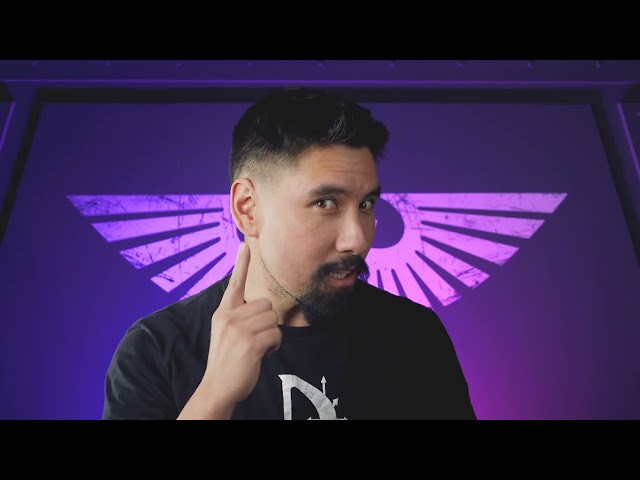
"It's on me - there's no one else to blame here", says Nordquist. I doubt that's the case: in spite of the idiom, failure has many mothers. But Nordquist is adamant that as the person in charge of the project, and the person who encouraged thousands of MiniWarGaming fans to back it, ultimate responsibility lies with him. So rather than list the practical delays to production, he tells me about how he failed as a leader.
It starts from the top - Ravaged Star was a bad choice of project for video makers. "At the end of the day, do we manufacture games? No", he says. "We've never done this before, and so we're making stuff up as we go along, we are figuring out what the problems are as they come up". With the benefit of hindsight, he recognizes that "the initial estimated time, there's no way it could have been done in that time".
MiniWarGaming had delivered one major crowdfunding campaign before launching Ravaged Star, a set of plastic miniatures called The Veil-touched. That had its own delays and its own irate fans. But like a tough climb to a mountain summit, the pain faded away once the project was complete and the models were in backers' hands. That gave an unwise sense of confidence.
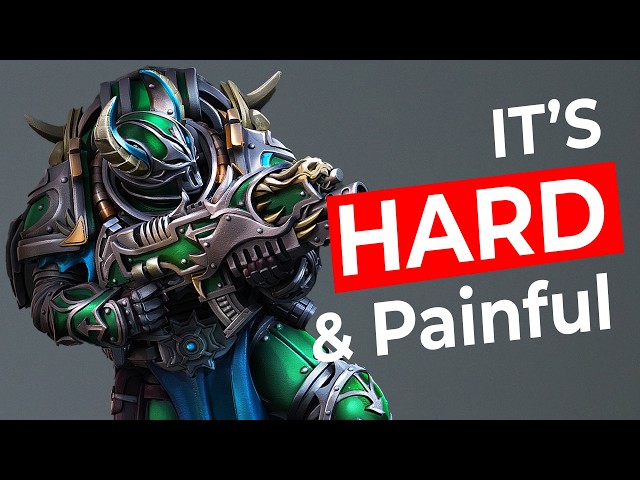
"People got what they wanted in the end, they made videos about the miniatures, they were excited for it", Nordquist said. MiniWarGaming had planned to follow up with more miniatures, but fans wanted a game. "Miniatures are one thing, but a game… there's game components, there's rules writing and development, there's lore, there's artwork, there's so many more considerations that go into it". It was an order of magnitude more complex than what they'd achieved before.
"Ultimately I could have said, 'No, I don't want to do this campaign'", Nordquist says. He chose to go ahead. "It's not like I didn't think I could do it", Nordquist says, "I'm the type of guy where I do something and then I find solutions, because otherwise things don't get done - I would rather do something messy than it not happen at all".
At this point, split focus rears its hydra heads again. "There were so many things that came up that delayed it", Nordquist says. "I could have driven the project and been more aware of things that were happening, and I could have caught them sooner and therefore could have avoided some delays".
In a larger business, a project usually has a 'project sponsor', the executive who - while not necessarily managing it day to day - is the project's champion, the person who sets it in motion and keeps it on track. MiniWarGaming, though one of the longest running wargaming YouTube channels, is still a small business staffed exclusively by hobby nerds.
"I didn't realize how much I was driving the project", he reflects, "and it feels so stupid for me to say that out loud". And "in the back of my mind [the story was] 'okay, people will eventually get their stuff, it's fine, I have to work on other things to actually keep the business running'". Keeping MiniWarGaming running has been increasingly challenging over the last few years.
Falling revenues and fixed costs
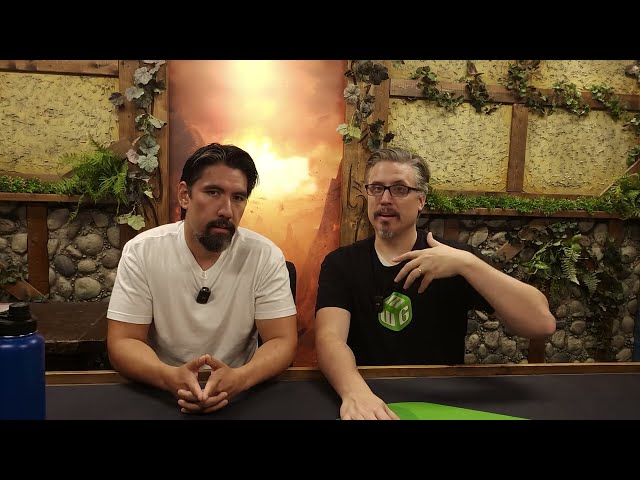
The fixed costs of its studio the Bunker is the biggest millstone weighing the business down. The venue is far larger than MiniWarGaming actually needs. A large portion of it was originally earmarked to be run as an event space, a business idea that COVID rendered untestable. When the team purchased it, it was affordable. Revenue has fallen since then, in no small part because there is much more competition in the tabletop video making space than when they started.
"Because of the nature of our business model", with regular subscriber revenue coming in via the MiniWarGaming Vault, "we [can] see that revenue is going down in a certain direction and we have x amount of time to improve that, or to add other revenue streams so that we don't have to take drastic measures to course correct".
Drastic measures means laying off staff. "If an efficiency expert were to come into the company years ago, they would have suggested [downsizing, particularly the crew] years ago", Nordquist says. "That was the absolute last case scenario that we would even consider".
Nordquist says a lot about the quality of his team, the responsibility he feels to them. I think it's best summed up this way - he wants to keep working with them because they're good people and he likes them. When the founders first recognized the business' costs had outgrown the core revenue it could reliably generate, instead of downsizing, or doubling down on its core business of video production, they tried to diversify, jumping at opportunities that included running crowdfunding campaigns and making sponsored content.
"When you're a company that's very public facing, and your literal job is to just get as much attention on fun things that you're having fun with, opportunity knocks a lot", Nordquist says. "Knowing what's a good opportunity and what's not a good opportunity is sometimes difficult, especially when there isn't any experience to back up what is really involved with that opportunity".
"There's a hidden cost to actually executing on an idea", Nordquist says. "When it's the first time you're doing it, you don't realize the labor and resources required to execute on it, you don't realize the management cost and the mental attention that it takes to actually manage everything in tandem with all the other things that you're already doing".
"If we [hadn't] tried those other things and doubled down on the content creation, would it have worked out better?" Nordquist asks himself. "It feels like it would have been much better to do that, just eliminate everything else and only focus on content". But ultimately "it's impossible to know".
The business now has no choice but to downsize. News that the Bunker had been put up for sale was one cause for alarm among Ravaged Star backers worried the company might fold before they got their pledge rewards. The team is selling studio armies to pay on-costs and debts that are apparently unrelated to Ravaged Star. And on Tuesday, MiniWarGaming revealed that eight out of the ten employees in the business had been given notice, leaving just two staff alongside the founders.
This may preserve MiniWarGaming the business, but where does it leave MiniWarGaming, the channel?
Taking MiniWarGaming back to its roots

The new, smaller MiniWarGaming is going back to basics. "Are there going to be battle reports? Are there going to be unboxings, reviews, artist showcases? The answer is all of it ", Nordquist says. For paid subscribers to the MiniWarGaming Vault, the team will provide a "broader deeper experience", with a more candid look at the creators. Dave says that videos like "us learning a game, that's not necessarily great YouTube content, but us stumbling around and making mistakes and bantering back and forth, that's for Vault members".
Throughout the interview, Nordquist is clearly very sad about the fate of his company and employees, and disappointed in himself for his mistakes. But the nerdy fire that makes MiniWarGamer Dave such a recognizable online personality is still burning, and it comes out when he talks about his role in this new, smaller company.
"Gameplay content isn't something I've done for years, and I'm starving for it", he says. "I want to get into new games, more than just Warhammer 40k… there are so many games out there, so many miniatures that are fantastic that sadly don't get the coverage that they should".
"I want to do this with Matt, because that's what we used to do on the channel". He and Matt have been friends since they were in grade school - they have a longer continuous relationship than with their spouses. "It started with just the two of us, and because of time and opportunity and circumstance we became what we needed to become, which was the business owners running the company, but a byproduct of that is we were spending much less time together playing the games and actually doing what we did when we started. And so we're going back to the roots."
It strikes me that the Ravaged Star crowdfunder, and MiniWarGaming, and the problems facing both of them, all have the same origins - excitable nerds who realised they could do something, and didn't stop to think whether or not they should. MiniWarGaming's reputation as a beloved and trusted voice in the tabletop hobby was built on genuine nerdy enthusiasm, with all of the foibles and blind-spots that entails. I hope that the same enthusiasm, plus a little more experience, can build MiniWarGaming back better than before. But for Ravaged Star backers, judgment is likely to wait until they have their hands on their toy soldiers.
Nordquist is appearing in person in a live session at the Nova Open on Saturday September 5, the day this article is published, to answer questions about Ravaged Star. If you enjoyed this article and would like to chat, you're welcome in the Wargamer Discord community. If you're interested in the costs and practicalities of miniature manufacture, you might enjoy my behind-the-scenes tour at Mantic Games or my interview with Daniel Block, who built the first all-American wargame miniature factory that doesn't rely on Chinese mold-makers.