

When you think of slinging fireballs and summoning spirits, the DnD Wizard 5e class is usually the first that springs to mind. With over 200 spells at their disposal, Dungeons and Dragons’ Wizards have the potential to become the most powerful adventurers in the Forgotten Realms – and we can help you create one.
200 spells and 13 subclasses is a lot, so we’ve compiled them into separate DnD Wizard spells and Wizard subclasses 5e guides for you to use alongside this one. And, if you’re not quite ready to manipulate the fundamental energies of the universe, by all means, get a broader overview with our guide to all the DnD classes.
You should also check out our guides to the DnD races, DnD character sheets, and free online DnD character creator tools to make character creation easier – we can even suggest some great Wizard names for you!
Here begins the lesson on the DnD Wizard 5e class:
- Wizard 5e stats
- DnD Wizard subclasses 5e
- Additional DnD Wizard subclasses 5e
- Best Wizard 5e races
- DnD Wizard builds
- Best DnD Wizard feats
- One DnD Wizard
Wizard 5e stats
Here are the core Wizard 5e stats for your character:
| Hit dice | 1d6 per level |
| HP at lvl up | 1d6 (or four) + Constitution modifier |
| Primary ability scores | Intelligence and Wisdom or Constitution |
| Armor proficiency | None |
| Weapon proficiency | Daggers, darts, slings, quarterstaffs, light crossbows |
| Tool proficiency | None |
| Saving throws | Intelligence and Wisdom |
Regardless of what kind of Wizard 5e you want to be, you should focus on Intelligence as your main DnD stat. As a Wizard, your spell save DC and spell attack modifier both use your Intelligence modifier. A Wizard with low Intelligence will not go far – you’ve got to pass all your spelling tests.
Here are a few calculations every D&D Wizard will need to remember:
- Spell save DC = 8 + proficiency bonus + Intelligence modifier
- Spell attack modifier = proficiency bonus + Intelligence modifier
Other than ensuring your Intelligence is as high as it can be, the DnD Wizard doesn’t need too much fine-tuning in the stats department. You can pretty much ignore Strength, but some Constitution and Dexterity can be very beneficial for keeping you alive. Unlike the Wizard’s cousin, the Sorcerer 5e class, you don’t have much use for Charisma.
DnD Wizard subclasses 5e
Choosing the Wizard class is only the start of your magical adventure. There are multiple different DnD schools of magic and DnD Wizard subclasses to choose from, and the ones you pick will shape what kind of Wizard you become. While some may choose the mystic path of Divination, others may be tempted by the dark allure of Necromancy, for example.
There are eight main schools of magic and, in 5e, these form the most common DnD Wizard subclasses:
- Abjuration
- Conjuration
- Divination
- Enchantment
- Evocation
- Illusion
- Necromancy
- Transmutation
For the DnD Wizard, subclasses are known as Arcane Traditions, and you select yours at level two. A Wizard isn’t limited by their subclass, you can still take whatever 5e spells you want. Instead, Arcane Traditions are more like a special focus, which grant you new powers at levels two, six, ten, and 14.
Here is a full breakdown of what you get from the main (if you want to know which ones we think are the best of the best, head back to our Wizards subclasses 5e guide). You’ll find each of these magic school Arcane Traditions in the Players’ Handbook. And don’t worry, we’ll get onto the rarer Wizard subclasses in just a minute.
School of Abjuration
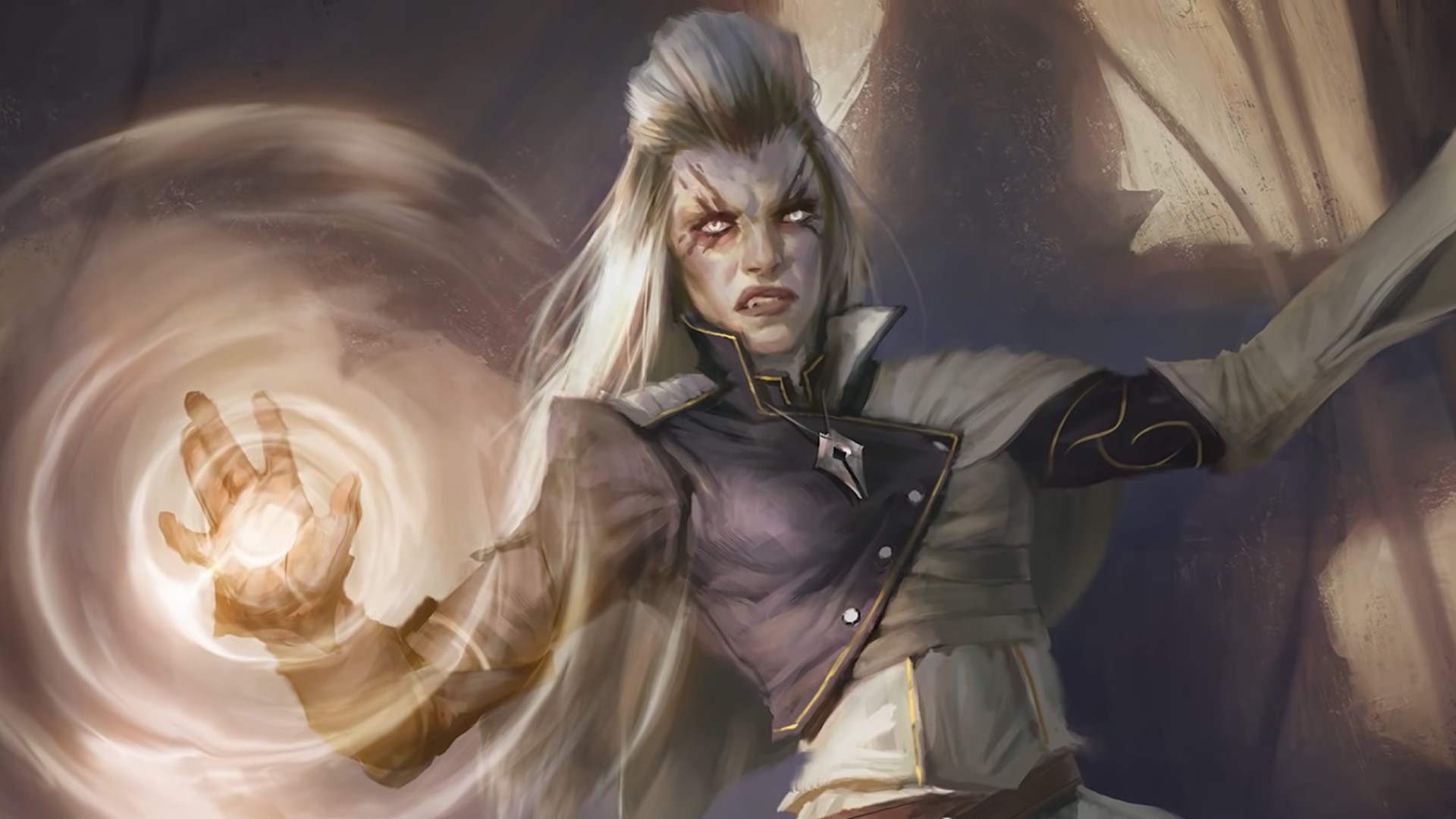
The School of Abjuration focuses on protecting yourself and your allies by conjuring safeguards and shielding effects.
| Level | Abilities |
| 2 | Arcane Ward |
| 6 | Projected Ward |
| 10 | Improved Abjuration |
| 14 | Spell Resistance |
At level two, you’ll summon a protective shield around yourself whenever you cast an Abjuration spell. At level six, you can cast this ward on one of your allies instead, potentially saving them from fatal damage.
When you reach level 14, you gain advantage on saving throws against all spells. More importantly, you gain resistance to all spell damage.
Although following the School of Abjuration might not lead to high damage, it will certainly ensure that you and your party can make it through some tough fights.
This class really dominates the field when you get a chance to save the party from a potential total party kill (TPK) situation – and that can lead to some unforgettable moments.
School of Conjuration
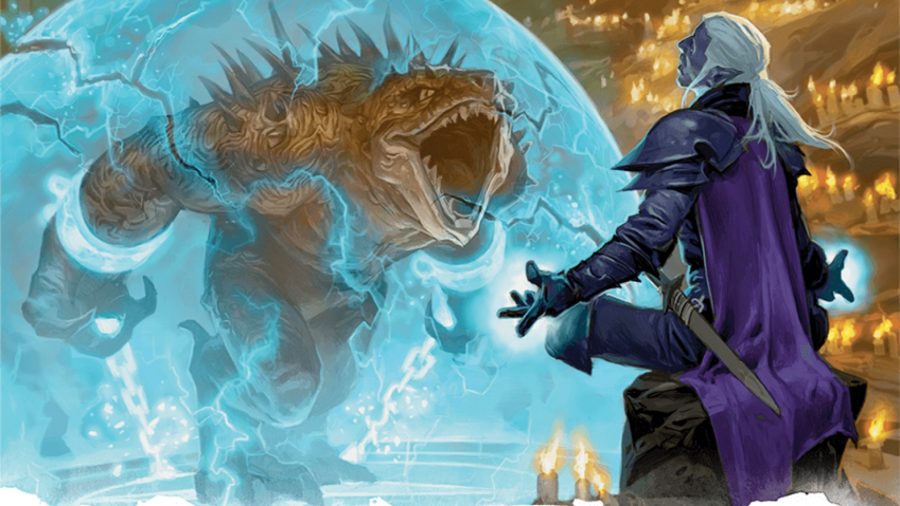
The School of Conjuration grants you the ability to use summoning spells, allowing you to conjure objects and creatures into existence temporarily.
| Level | Abilities |
| 2 | Minor Conjuration |
| 6 | Benign Transposition |
| 10 | Focused Conjuration |
| 14 | Durable Summons |
You learn to summon small objects at level two and to teleport at level six. At level ten, Conjuration Wizards can hold concentration on conjuration spells, even if they take damage. At level 14, your summoned creatures have 30 more hit points, allowing them to take damage in place of your party.
Conjuration is an extremely useful tool for any struggling party. Sure, it might not be the best during combat, but it is incredibly versatile throughout the rest of an adventure.
If the DnD Rogue can’t steal a key but they can make the owner drop it on the floor, a Conjuration Wizard could look at the key and conjure it later when needed, for example.
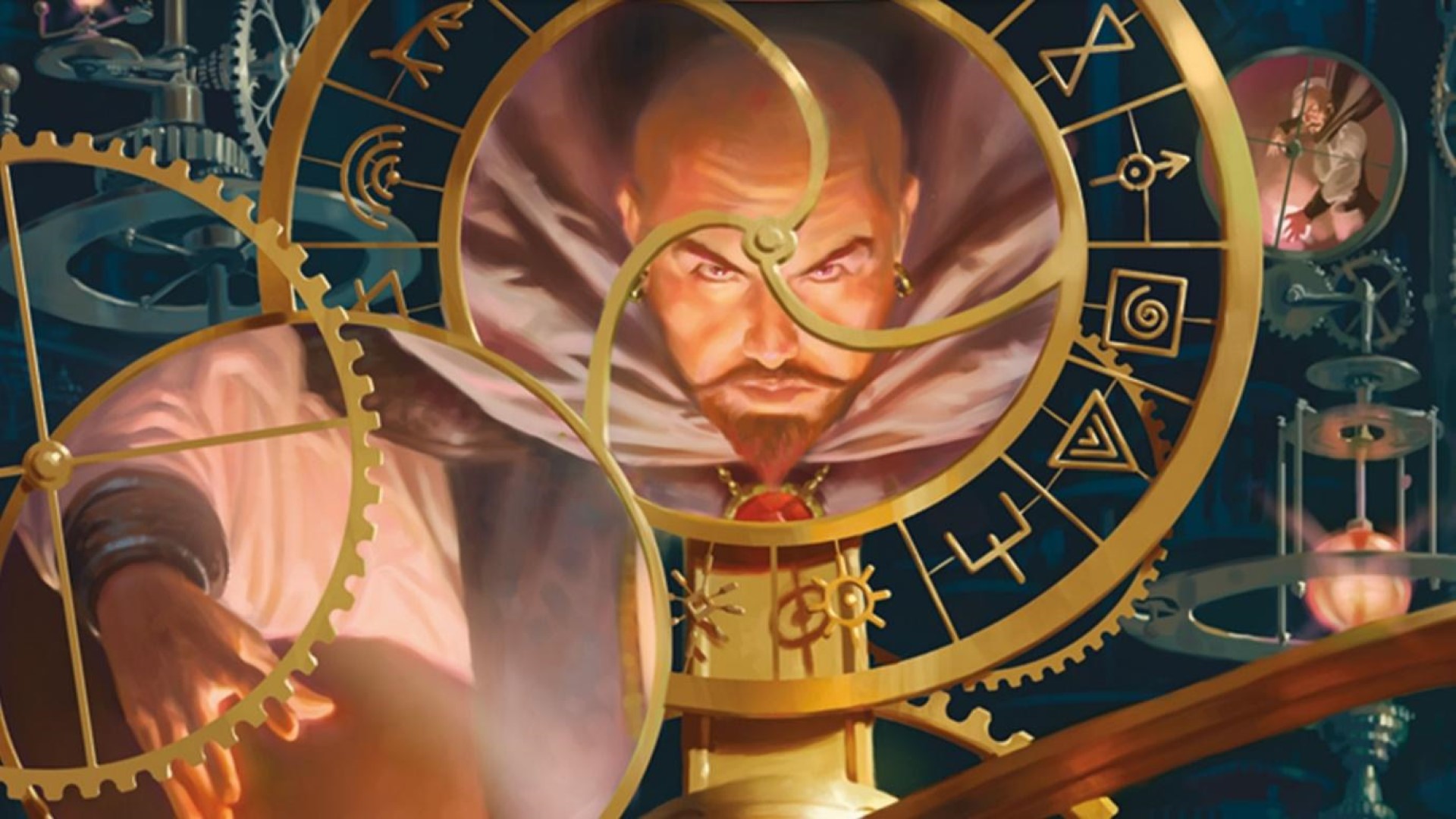
School of Divination
Divination is a mysterious force that allows you to see through the natural order of the world. As you grow in power under the School of Divination, you’ll learn to foresee the future and look into other planes of existence.
| Level | Abilities |
| 2 | Portent |
| 6 | Expert Divination |
| 10 | The Third Eye |
| 14 | Greater Portent |
The School of Divination grants you some impressive bonuses, such as the ability to use foretelling dice to override bad rolls. This could be useful during combat, or in a roleplaying situation when trying to trick an NPC – but it is also a powerful tool for the Dungeon Master to feed the party carefully chosen information.
Those wanting to explore the school of Divination should work with the DM to find ways to weave it into the narrative. Your character can become an organic part of the plot, making you feel tied to the world that your DM is building.
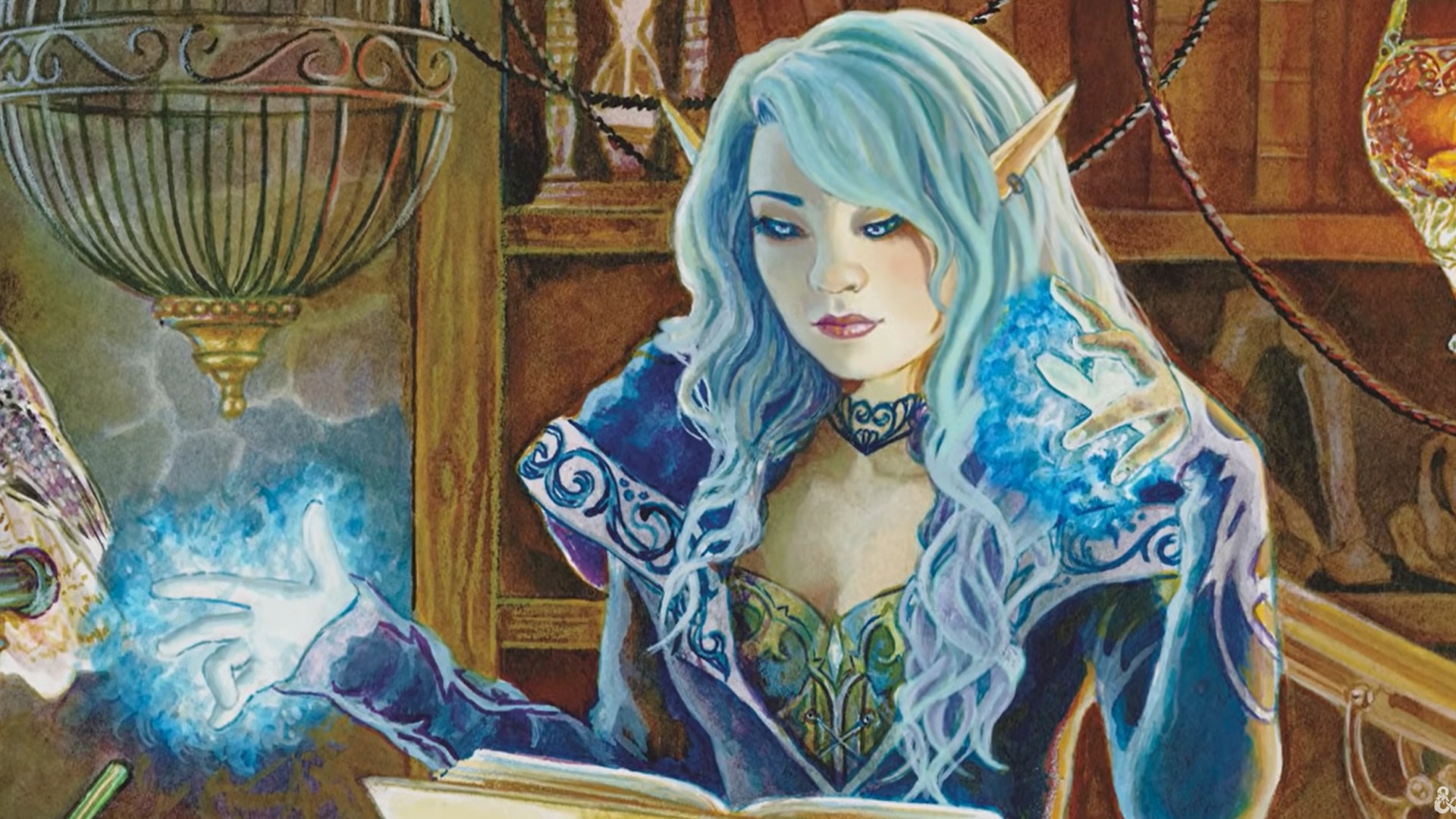
School of Enchantment
Those who follow the School of Enchantment have the power to control those around them. Mind control and Charm – Loki fans, this one’s for you.
| Level | Abilities |
| 2 | Hypnotic Gaze |
| 6 | Instinctive Charm |
| 10 | Split Enchantment |
| 14 | Alter Memories |
At second level, you gain the ability to charm a nearby creature, incapacitating them to prevent harm to your party. At level six, you can control an attacking enemy and force them to attack someone else.
When you reach level ten, your powers grow stronger and you’ll be able to control two creatures instead of just one. At level 14, you’ll gain a higher power over the mind, allowing you to not only charm a creature, but also ensure that they never remember being under your spell.
Enchantment is exceptional both in and out of combat. While it doesn’t lend itself to damage-obsessed DPS players, it can provide the ability to avoid combat altogether, thanks to the Hypnotic Gaze ability. Unlocking this at level two is ridiculously powerful, and opens up countless possibilities other than ‘roll initiative’.
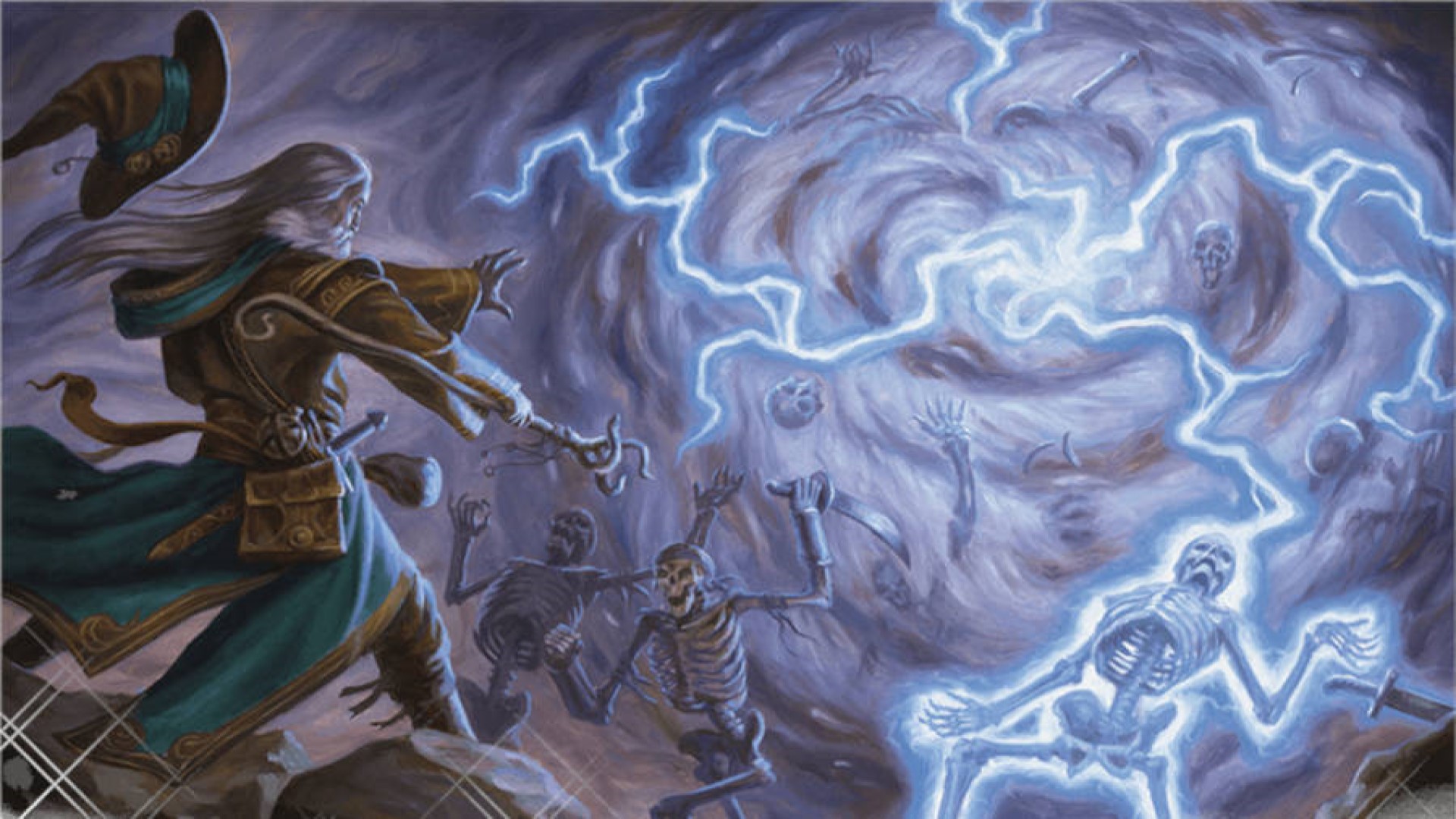
School of Evocation
Those who became masters of the Destruction skill in Skyrim will understand the School of Evocation very quickly. This school involves controlling and creating natural elements, such as fire and water.
| Level | Abilities |
| 2 | Sculpt Spells |
| 6 | Potent Cantrip |
| 10 | Empowered Evocation |
| 14 | Overchannel |
The School of Evocation is the one for any mage that wants to focus on maximum damage-dealing. At level two, you can ensure that your area of effect spells don’t affect your allies. At level six, your DnD cantrips grow stronger and damage all creatures, even if they succeed on a saving throw.
At level ten, you can add your Intelligence modifier to the damage roll for one of your favorite spells, making it permanently do more damage. At level 14, you can choose to forgo dice rolls and make your spells do the maximum damage possible.
Repeating this action before taking a long rest can cause severe damage to your character, so you must be wary. However, the image of your Wizard using all of their remaining energy to blast a goblin army to smithereens might be too delicious to resist.

School of Illusion
Here’s another one for you Loki lovers. If you want to use your spells to trick, deceive, or maybe even impress, then the School of Illusion is for you.
| Level | Abilities |
| 2 | Improved Illusion |
| 6 | Malleable Illusions |
| 10 | Illusory Self |
| 14 | Illusory Reality |
At level two, your Minor Illusion 5e spell grows stronger, allowing you to create sound and images at the same time. You can use this to make your illusions seem more realistic and natural, like the image of a person talking about what they ate. Of course, the more cunning mages out there might dream a little bigger, and consider using this to sow the seeds of unrest, by disrupting armies and creating the illusion of betrayal and deceit.
At level six, you can start to warp and change an illusion that you have already cast. When you reach level ten, you can cast an illusion of yourself during combat to prevent taking damage. At level 14, you can make inanimate illusory objects real for a short amount of time.
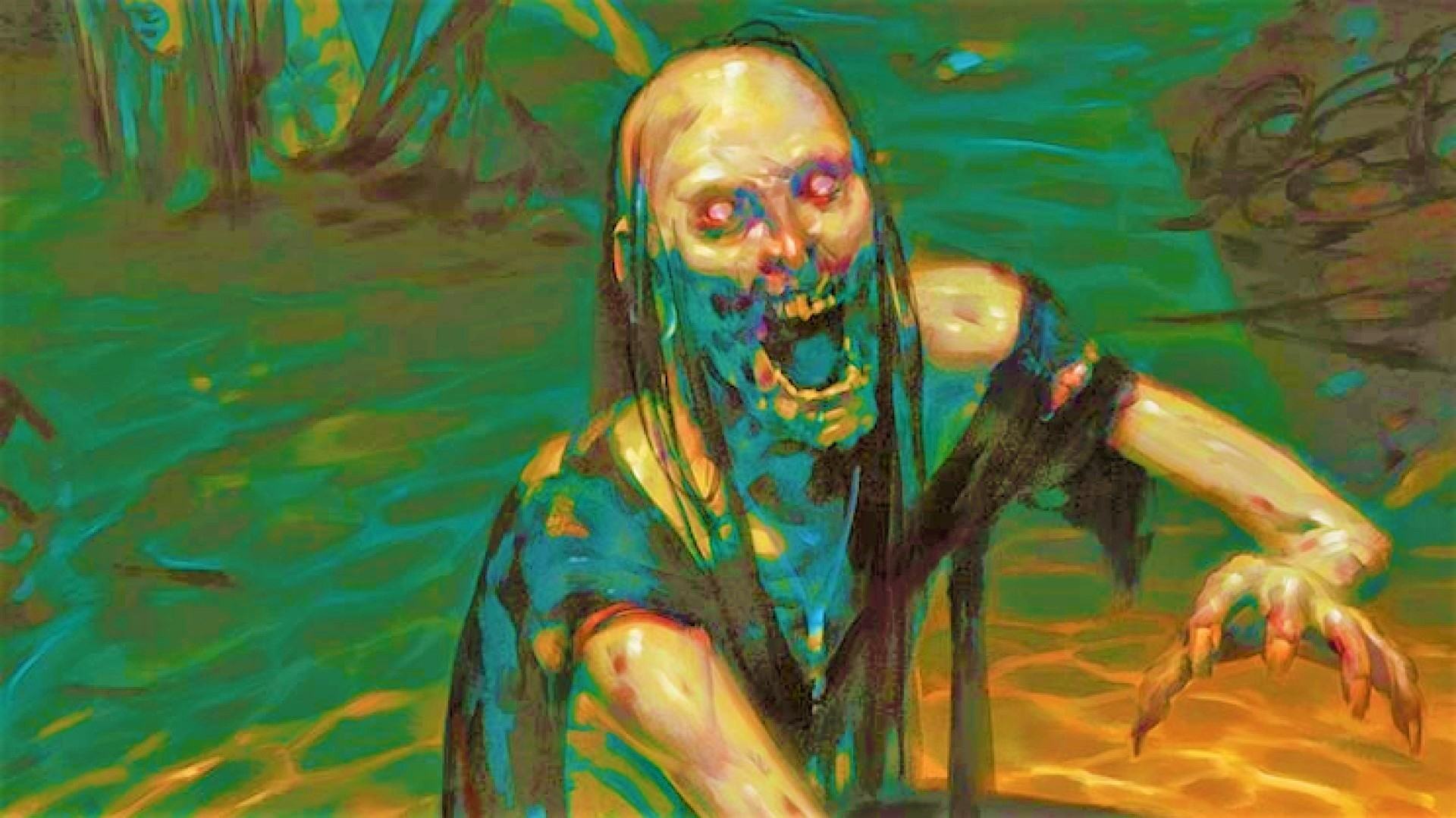
School of Necromancy
Humans have long had a deep interest in the macabre. Life, death, and all of the grim moments in between are fascinating, even if they are horrific at times. The School of Necromancy allows you to explore those horrors, and ultimately control them.
| Level | Abilities |
| 2 | Grim Harvest |
| 6 | Undead Thralls |
| 10 | Inured To Undeath |
| 14 | Command Undead |
At level two, you gain health back whenever you attack another creature with a spell. Level six allows you to raise more corpses than usual using the Animate Dead spell. All undead that you control are also stronger, thanks to your skill in Necromancy.
At level ten, you gain resistance to Necrotic damage. Your hit point maximum also can’t be reduced. When you reach level 14, you can choose an undead being and assume control of it, even if another Wizard animated the creature.
Necromancy is enticing, but it is also difficult to roleplay. Although necromancers don’t need to be evil, civilizations will shun their practices. If you are comfortable living in the shadows and scaring NPCs with your magic, Necromancy might be for you. Just remember to have a word with your DM about how this can fit into the party if you are on a heroic quest to save the world.
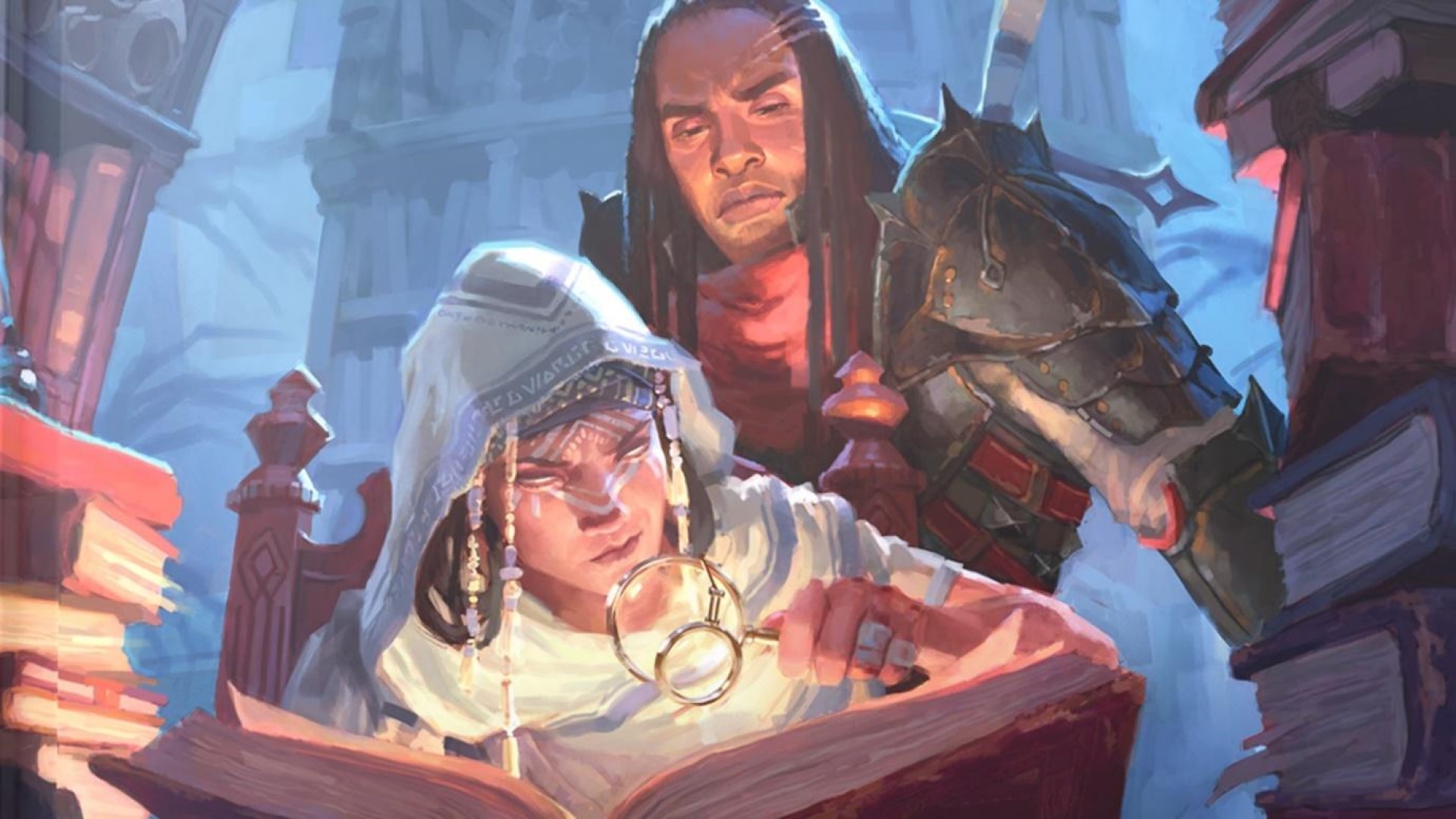
School of Transmutation
The School of Transmutation affords you the power of the DnD gods, allowing you to meld reality into whatever shape you like. You can alter the properties of both objects and creatures, changing forms at your whim.
| Level | Abilities |
| 2 | Minor Alchemy |
| 6 | Transmuter’s Stone |
| 10 | Shapechanger |
| 14 | Master Transmuter |
Level two Transmuters can change materials into other things, such as turning wood into a type of metal that you need. However, as you grow in power, the School of Transmutation becomes a lot more exciting to play.
Level ten allows you to use Polymorph to temporarily become another creature without using a spell slot. Master Transmuter, unlocked at level 14, gives a range of powers that are unquestionably fantastic. These include curing a party member of diseases, making them appear younger, or even raising them from the dead and restoring life to those around you.
When considering whether to follow the School of Transmutation, bear in mind how important the above abilities are for you. Whereas a Necromancer or Evocation Wizard are undoubtedly stronger at their chosen school of magic, the School of Transmutation doesn’t actually offer any advantages when using Transmutation spells. Rather, you gain extra abilities that stack on top of the Transmutation spells that any Wizard can learn.
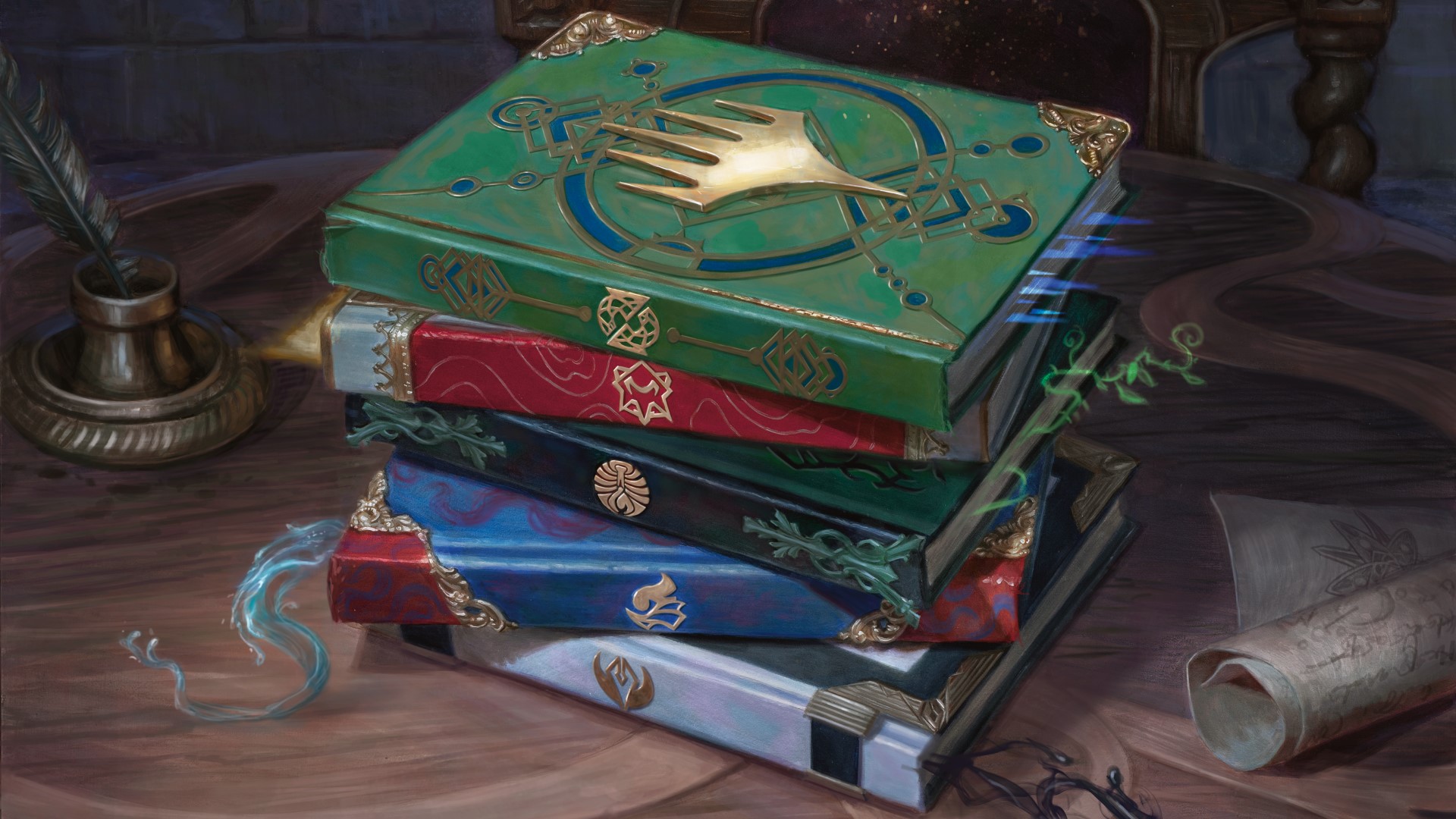
Additional DnD Wizard subclasses
There are five other paths that the Wizard can follow, introduced in other DnD books. You can find all of these additional Wizard subclasses below:
Order of Scribes
Found in: Tasha’s Cauldron of Everything
Bookworms rejoice! Wizards who join the Order of Scribes don’t just read their spellbook. They talk to it!
| Level | Abilities |
| 2 | Wizardly Quill & Awakened Spellbook |
| 6 | Manifest Mind |
| 10 | Master Scrivener |
| 14 | One With The Word |
Level two grants you two skills. Wizardly Quill allows you to create a quill in your hand at any time as a bonus action. It requires no ink and can erase any errors. You also get Awakened Spellbook, which makes your spellbook a sentient creature.
At level six, you can create a spectral being that has your spellbook’s mind. It can hear, see, and talk to you. You can also choose to cast spells from the mind’s position, instead of your own.
When you reach level ten, you can craft spell scrolls which make your spells more powerful. At level 14, your soul becomes linked to your spellbook, which helps you remember magical facts. You gain advantage on all Intelligence checks.
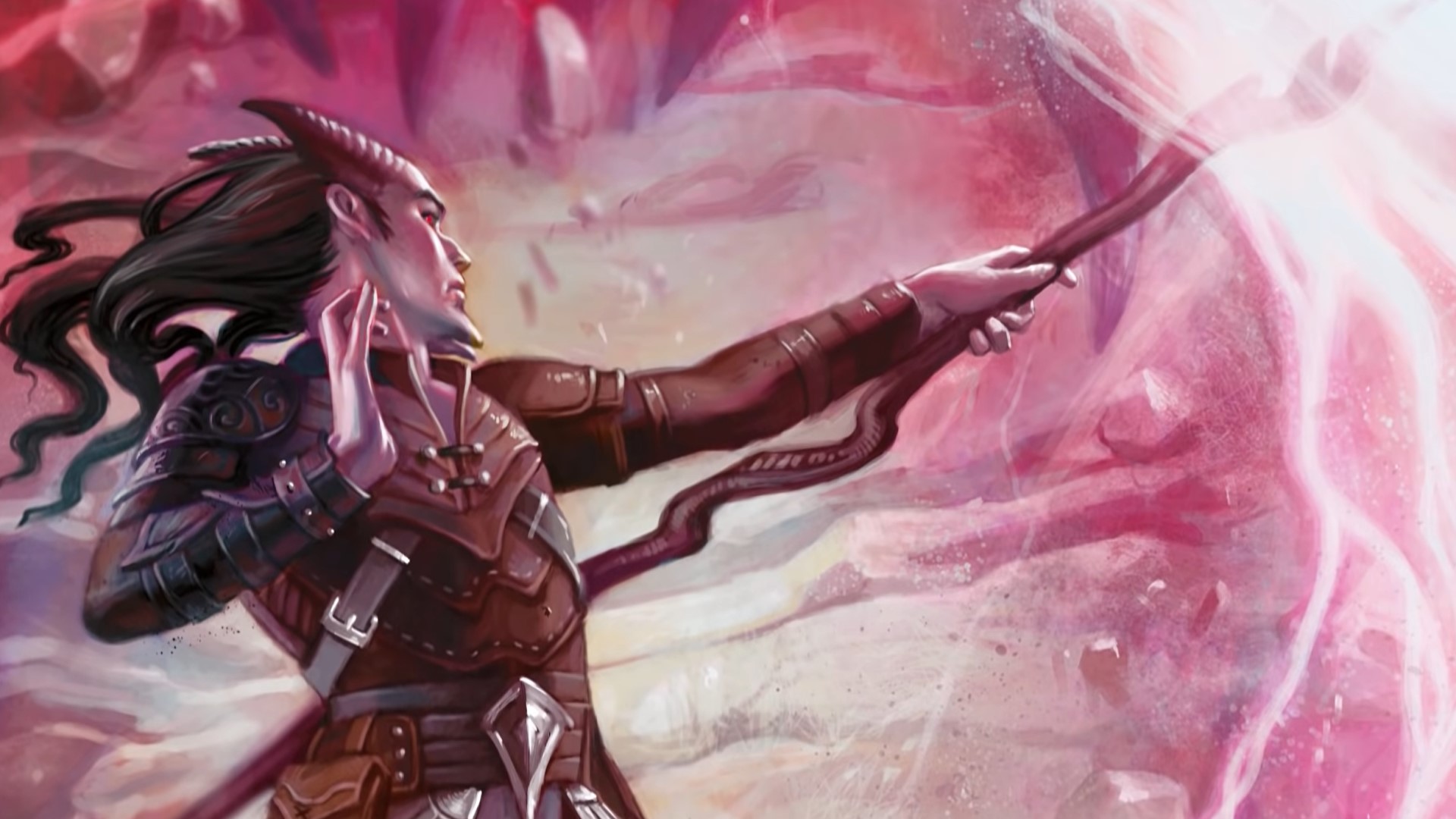
Bladesinging
Found in: Tasha’s Cauldron of Everything
Renowned across the Forgotten Realms as a beautiful dance, Bladesinging artfully blends magic and swordplay.
| Level | Abilities |
| 2 | Training In War And Song & Bladesong |
| 6 | Extra Attack |
| 10 | Song Of Defense |
| 14 | Song Of Victory |
At level two, you gain proficiency with Light DnD armor and a melee DnD weapon of your choice. You also gain the Bladesong feature, which allows you to start a Song during combat and gain bonuses to AC, speed, Dexterity, and Constitution.
At level six, you can make an extra attack, just like the Fighter 5e. Tenth level allows you to adapt the Bladesong into a defensive ward. When you reach level 14, you can deal more damage whilst your Bladesong is active.
Here’s a full Bladesinging 5e subclass guide where you can learn more.
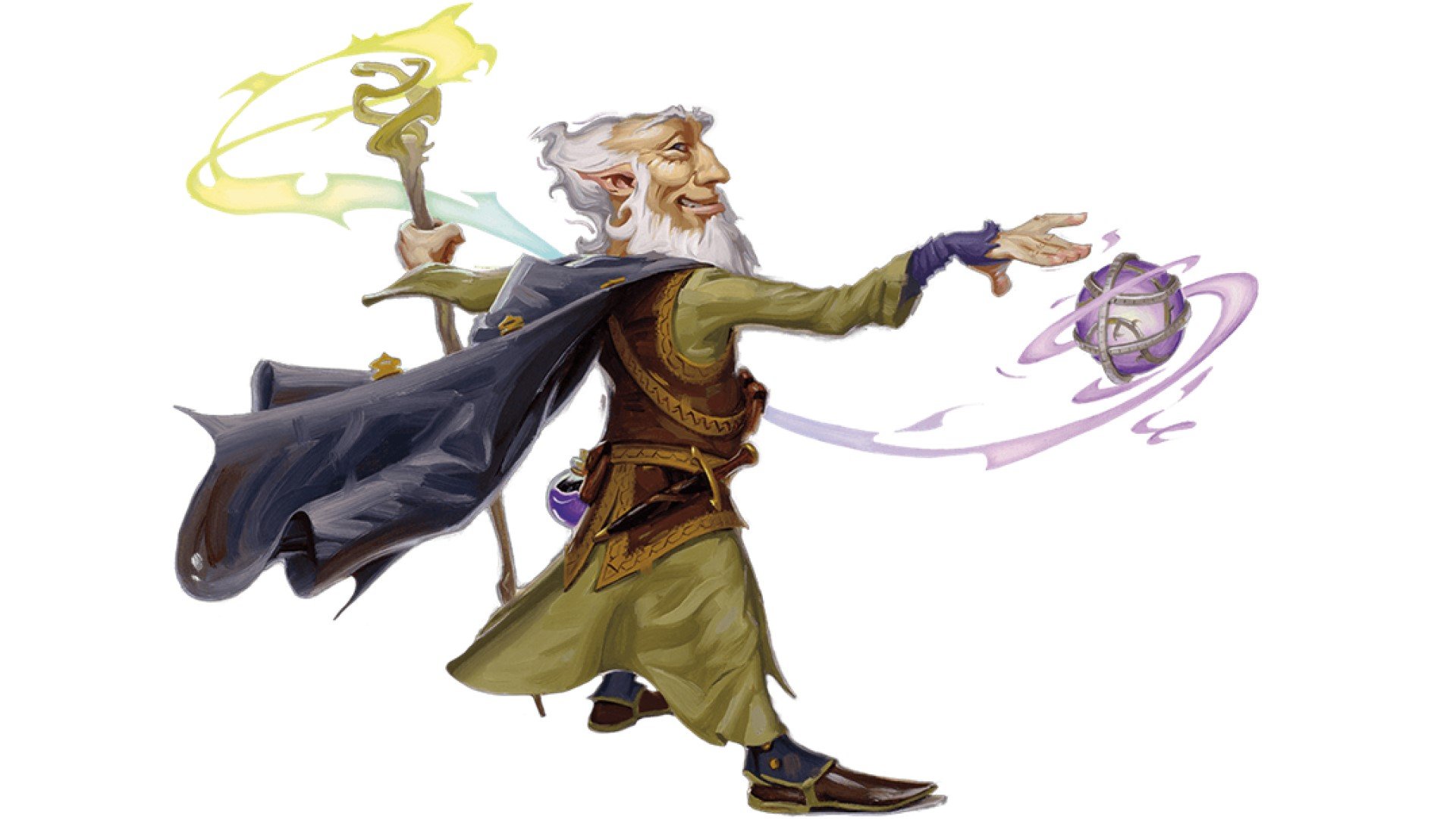
War Magic
Found in: Xanathar’s Guide to Everything
If you are torn between causing destruction or protecting your allies, the War Magic subclass is for you. It blends Evocation and Abjuration to make you a formidable warrior on the battlefield.
| Level | Abilities |
| 2 | Arcane Deflection & Tactical Wit |
| 6 | Power Surge |
| 10 | Durable Magic |
| 14 | Deflecting Shroud |
At level two, you can add your Intelligence modifier to your Initiative rolls. You can also choose to gain bonuses to either your AC or saving throws during combat.
At level six, you can use Power Surges to deal more damage with your spells. When you reach level ten, you gain the Durable Magic skill. This gives you a +2 bonus to your AC and saving throws whilst concentrating on a spell.
When you reach level 14, Arcane Deflection grows even stronger. When you use Arcane Deflection, you can choose to damage up to three nearby creatures.

Chronurgy Magic
Found in: Explorer’s Guide to Wildemount
Chronurgy Magic focuses on the wibbly wobbly timey wimey aspect of spellcasting. If you like the idea of Divination, but would rather have something a bit different, you should give Chronurgy a try.
| Level | Abilities |
| 2 | Chronal Shift & Temporal Awareness |
| 6 | Momentary Stasis |
| 10 | Arcane Abeyance |
| 14 | Convergent Future |
At level two, you can force a nearby creature to reroll if you aren’t happy with their outcome. This could be used to disrupt an opponent or aid an ally. You can also add your Intelligence modifier to your initiative rolls.
At level six, you can force creatures to make a Constitution saving throw. If they fail, they are trapped in magical energy and can’t move until the end of your next turn or they take damage.
Arcane Abeyance, learnt at level ten, lets you temporarily store spells in motes for other characters to use. When you reach level 14, you can choose to manipulate attack rolls, ability checks, and saving throws of nearby creatures.
Graviturgy Magic
Found in: Explorer’s Guide to Wildemount
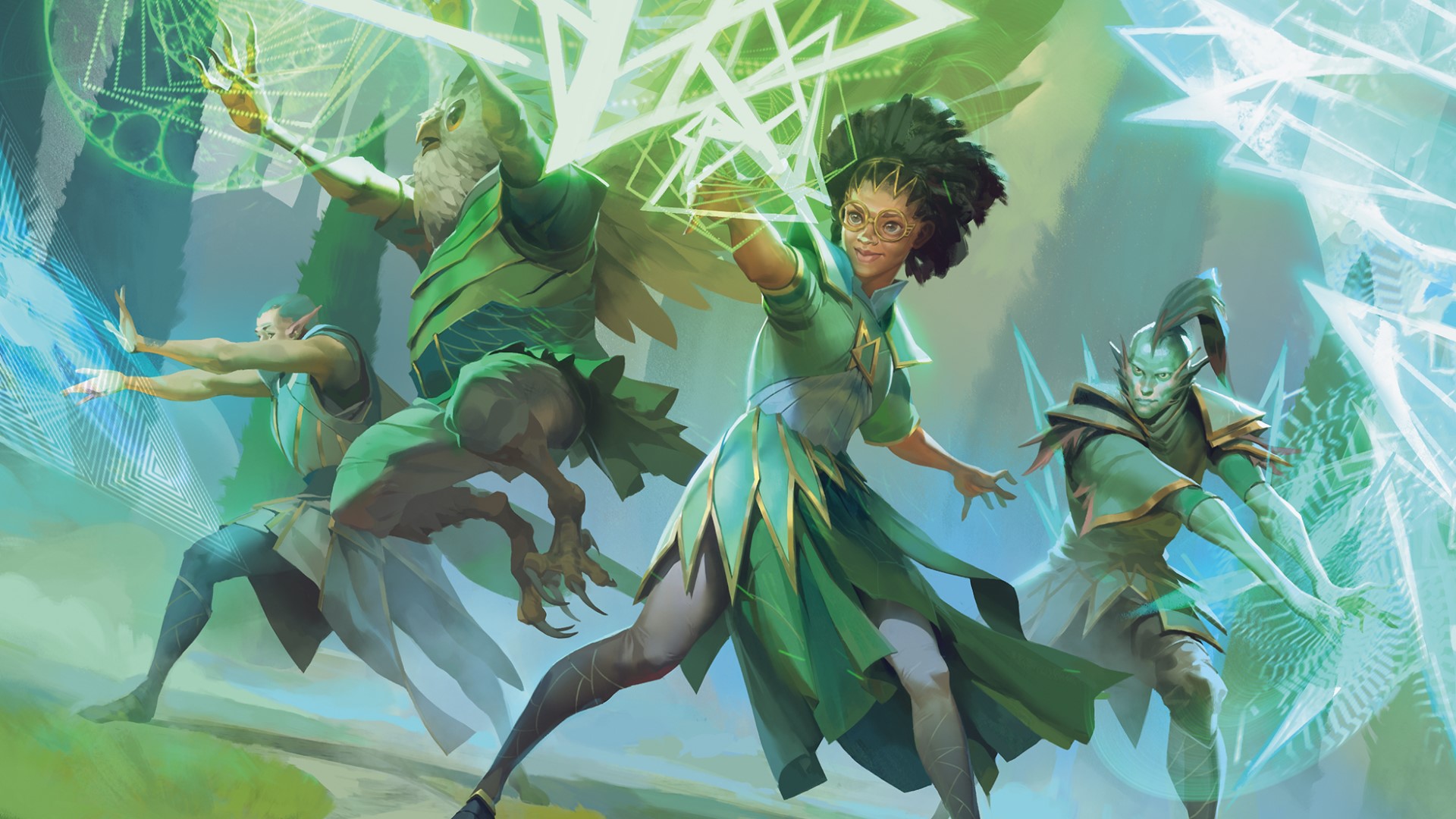
While those following Chronurgy can manipulate time, those who learn Graviturgy Magic can bend gravity to their will.
| Level | Abilities |
| 2 | Adjust Density |
| 6 | Gravity Well |
| 10 | Violent Attraction |
| 14 | Event Horizon |
At level two, you can adjust the weight of one nearby object or creature that is a Large DnD size or smaller. At level six, you can move creatures that are hit by your spells, or if they agree to be moved.
When you reach level ten, you can use a reaction to make allies deal more damage with their attacks, or to make enemies take more fall damage. At level 14, you can make a magical force field that damages and slows any nearby creatures.
Best Wizard 5e races
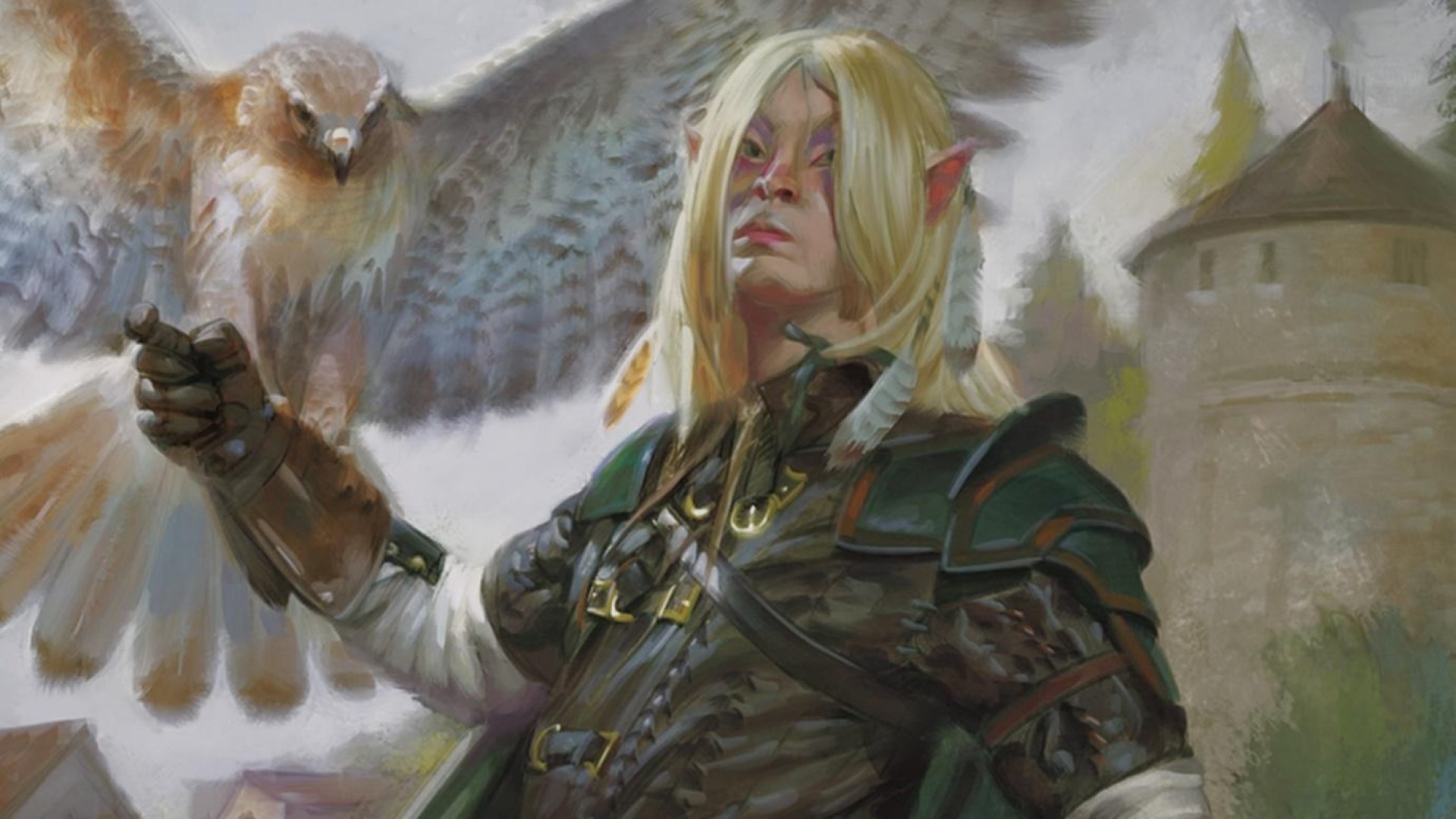
While the Custom Origin rules in Tasha’s Cauldron of Everything mean any of the DnD races could plausibly make a great Wizard, not everyone may be playing with this additional sourcebook. Our top Wizard 5e races are based on the classic D&D 5e rules, but we wanted to mention the potential that Custom origins open up when creating a character.
Variant Human
Humans are classic adventurers, as they can be good at anything. With the Variant DnD Human ruleset described in the PHB, you can increase two ability scores by +1 each, and also take a skill proficiency and feat of your choosing.
Forest Gnome
DnD Gnome Wizards get a +2 to Intelligence, which is the most important ability for a Wizard. As a Forest Gnome, you can know the Minor Illusion cantrip instantly, allowing you to pick other cantrips when building your character.
Half-Elf
Half-Elves get a +2 to Charisma and +1 to two other skills. As a Wizard, these should be Intelligence and Constitution. This will raise your Spellcasting Modifier and ensure that you can take a bit more damage if you are overwhelmed. Half-Elf 5e Wizards can also take two skill proficiencies of their choice.
High Elf
High DnD Elf Wizards get a +2 to Dexterity and, more importantly, a +1 to Intelligence. They also get the Trance ability.
This allows you to meditate for four hours and gain the same bonuses as other races would from a long rest. Saving time in this way gives you a chance to perform and practice more arduous spells while the rest of the party sleeps.
DnD Wizard builds
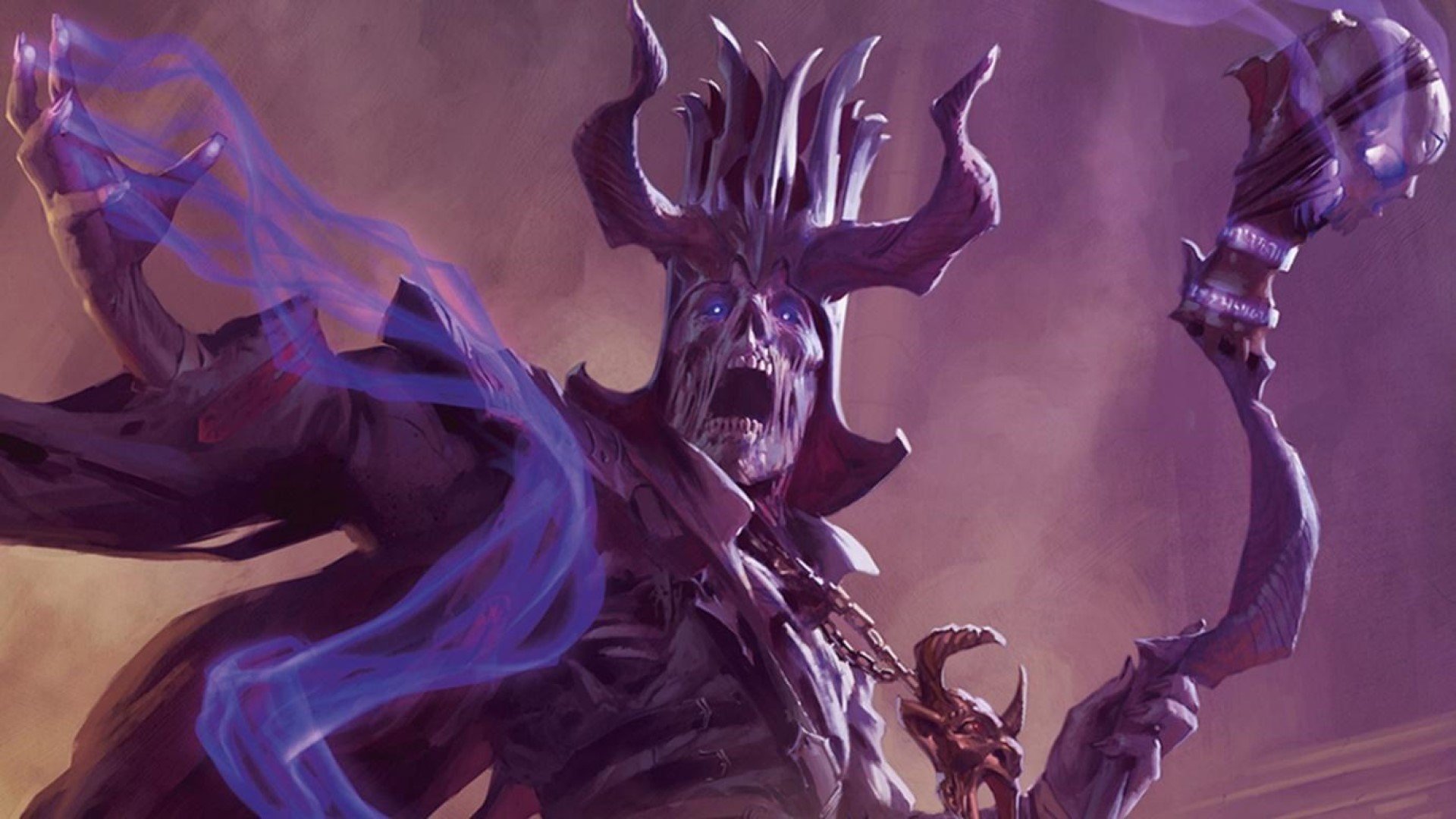
With so many schools and subclasses to choose from, there are plenty of directions to take your DnD Wizard builds. You could focus on a specific school of magic, take 5e feats to enhance certain spells, or even start some DnD multiclassing to gain some melee-focused abilities. Here are just a few DnD character builds that you could try as a Wizard in D&D 5e.
Warmage
The Warmage uses a combination of Abjuration and Evocation spells to protect themselves and their allies, while also causing destruction on the battlefield.
Details
Choose a High Elf for the ability improvements and Trance ability. Trance is a game-changer for a Wizard, as you can take a break in the middle of the adventuring day to recover spell slots without needing to have a full long rest. This means you can be a bit more relaxed about when to use certain spells, as you can recover spell slots much faster.
Use the standard set of ability scores. Make Intelligence your highest, followed by Dexterity and Constitution.
The key to a powerful Wizard build is the spells that you choose. At level one, you can choose three cantrips and six level-one Wizard spells. Take the following spells:
- Blade Ward
- Firebolt
- Ray of Frost
- Mage Armor
- Shield 5e
- Alarm
- Burning Hands
- Magic Missile
- Thunderwave
At level two, choose the School of Abjuration for your Arcane Tradition. You can also take two more cantrips or first-level spells. At this point, you should already have the best Evocation and Abjuration spells for your level, so take whichever spells you think fit your character.
At level three, you can take some second-level spells. Take the Misty Step spell, as this will allow you to teleport into or out of a dangerous situation. You can use this to move around the battlefield with ease without provoking opportunity attacks.
At level four, you can take your first feat. Take War Caster, which allows you to use spells when making an opportunity attack. When you reach Wizard level eight, take the Tough feat. This will provide a huge boost to your current maximum health, as well as small boosts for every following level.
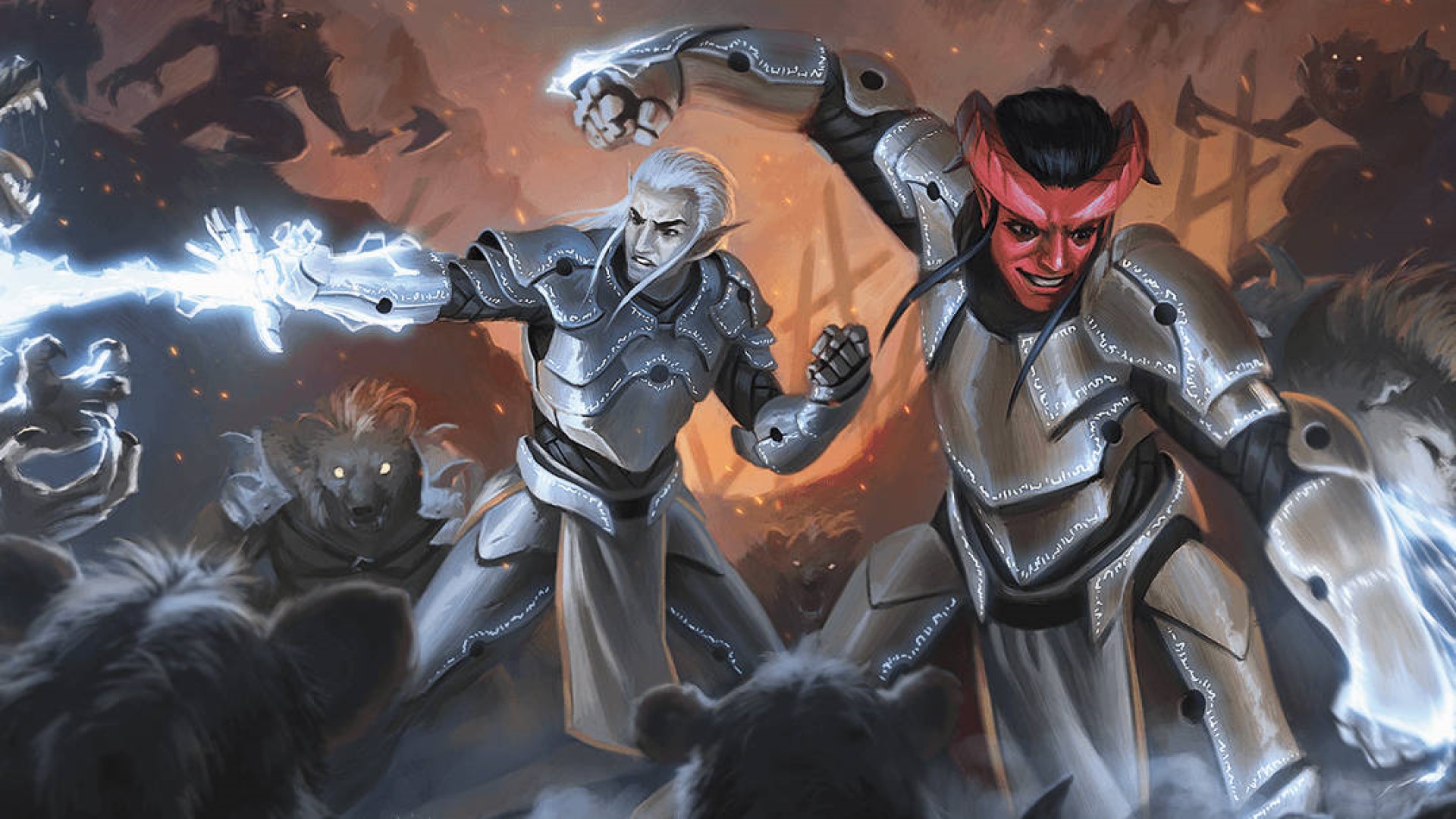
As you gain a DnD level up or two, you should take two levels in the Fighter class. This can be done at any time, but we recommend doing it early. This lets you use short swords and rapiers, as well as light and medium armor.
Fighter level two is important because it gives you the Action Surge skill. This allows you to occasionally use a second action during your turn in combat, so you could cast multiple spells, or even use a melee attack and cast a spell.
At Wizard level 18 (which is the highest you can go with this build because of the Fighter multiclass), you get Spell Mastery. This allows you to cast two low-level spells without using a spell slot. Make sure that one of these spells is Misty Step. The other choice should be a combat spell, such as Scorching Ray.
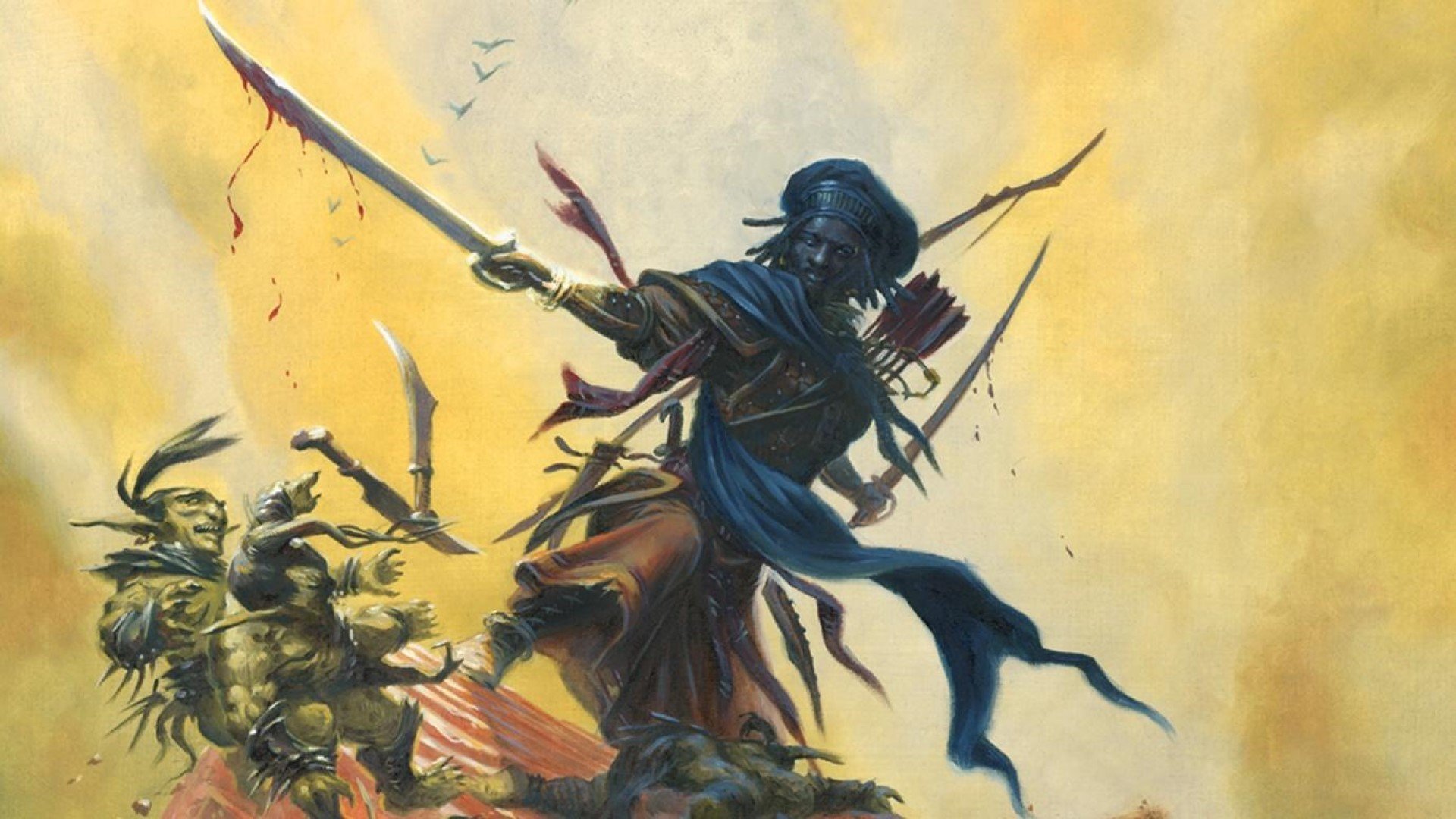
Loki Laufeyson
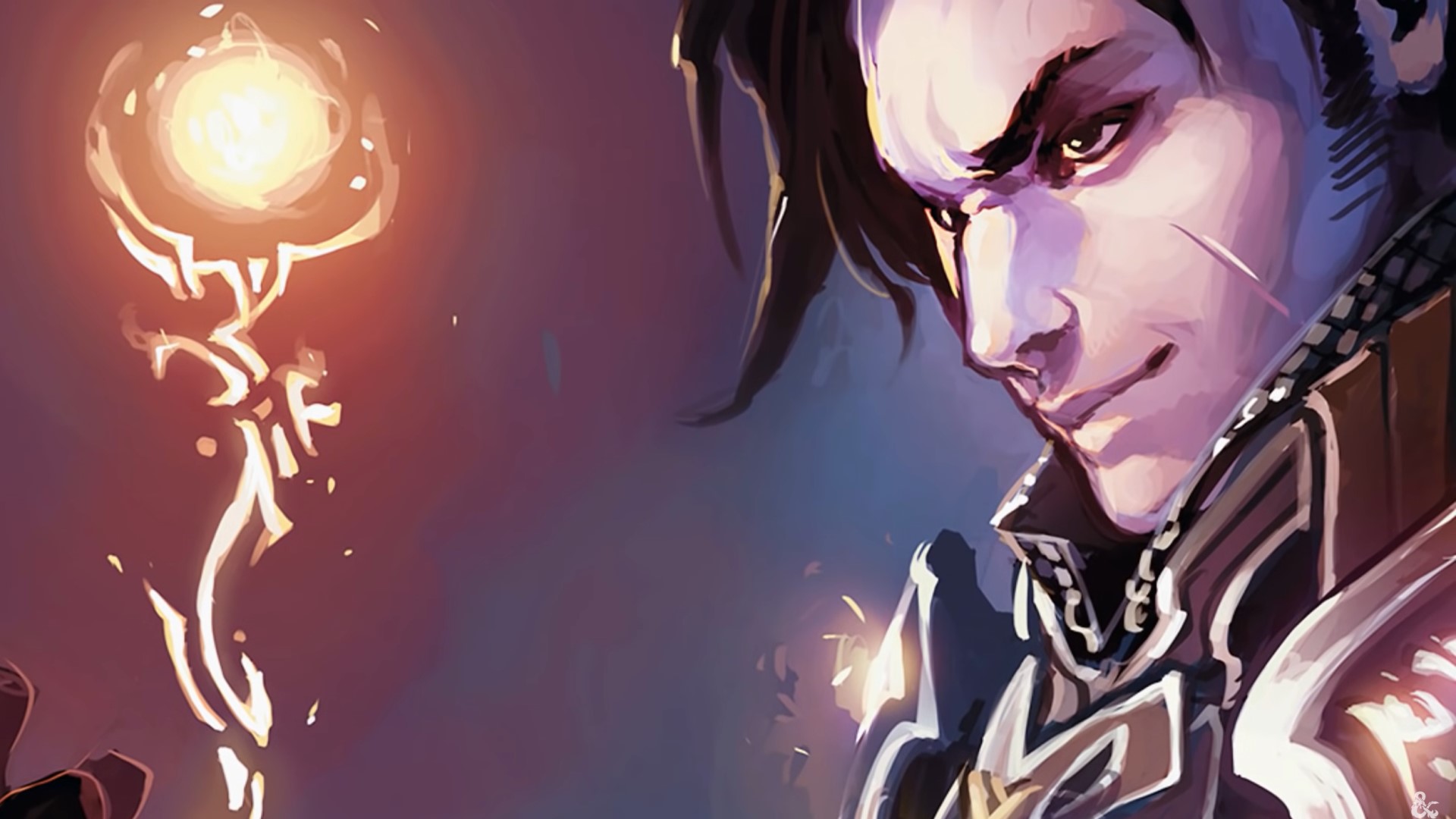
Loki has been mentioned throughout this guide thanks to his affinity for trickery and magic. If you want to play as Loki in D&D 5e, then this build is for you.
Details
This build will end with your character being a multiclass with Rogue level nine and Wizard level 11. Start a level one Variant Human Wizard, with Intelligence, Dexterity, and Charisma as your highest ability scores.
Take the following spells:
- Friends
- Message
- Minor Illusion
- Burning Hands
- Charm Person
- Disguise Self
- Illusory Script
- Ray of Sickness
- Witch Bolt
Take the Magic Initiate feat and learn the following Bard spells:
- True Strike
- Vicious Mockery 5e
- Heroism
At level two, take School of Illusion as your Arcane Tradition.
When you reach level four, take the Actor feat. This allows you to mimic the speech and sounds of other creatures, which is perfect for tricking NPCs and other members of your party.
Now, you should start taking levels in the Rogue class. Use your next three character levels to get to Rogue level three, as this will allow you to take a Roguish Archetype. Take Arcane Trickster, as this gives you the Mage Hand Legerdemain skill. You’ll also gain Sneak Attack and Cunning Action, which are crucial for combat.
When you reach character level eight, you should be Rogue level three and Wizard level four. Take another level in Rogue, and get the War Caster feat. This allows you to perform somatic components for spells with a weapon in your hand.
You should now aim to level both classes up in tandem. You need to reach Rogue level nine to get the Magical Ambush skill, as well as increase your sneak attack to 5d6. Meanwhile, Wizard level 11 will give you a sixth-level spell slot, which allows you to learn the Programmed Illusion spell.
Best DnD Wizard feats
If the DM allows, Feats are exciting ways to mix up your character and give them a unique twist. There are plenty mentioned in the builds above, but the list below will cover every Feat that is useful for Wizards:
Elemental Adept
You can choose a damage type from acid, cold, fire, lightning, or thunder. When you cast spells, you can ignore any resistances to damage of your chosen type.
Magic Initiate
This allows you to learn two cantrips and one first-level spell from any class.
Shadow Touched
You learn Invisibility 5e and a first-level Illusion or Necromancy spell. You also get a +1 to Intelligence, Wisdom, or Charisma.
Spell Sniper
All of your attacking spells get double range and they ignore partial cover.
Tough
Adds a significant amount of hit points depending on your level. This is useful because Wizards usually have very low health.
War Caster
Allows you to perform somatic components for spells if you have a weapon in your hand. You can also use spells as opportunity attacks.
One DnD Wizard
When we say ‘One DnD Wizard‘, we’re referring to the new version of the spellcaster that will be included in the 2024 Player’s Handbook. Right now, everything we know about it can be found in a handful of One DnD playtest documents.
The humble Wizards was perhaps the most explosive class during playtesting, with huge changes suggested. At one point, the Wizard could create their own spells, and a new approach to spell lists made Wizard spells available for the many. Both options were eventually cancelled, though.
Here’s what’s new about the most recent version of the One DnD Wizard:
- Your subclass is chosen at level three rather than level two.
- You can swap which cantrips you know when you long rest.
- The level two Scholar feature gives you Expertise in Arcana, History, Nature, or Religion.
- At level five, the Memorize Spell feature lets you cast a spell you haven’t already prepared.
That covers everything that you need to know about the Wizard class in D&D 5e. If you’re itching to play, here are some of the best DnD campaigns and DnD one shots you should try.