

The DnD Warlock 5e isn’t your average spellcaster. They’ve gained their magical powers by making a pact with a supernatural being, which means they’re totally subservient to the will of their chosen patron. The cost of all that power and glorious roleplaying opportunity? A 5e Warlock is expected to do the bidding of the unknowable creature they signed up to work for.
Life as a Warlock is exciting, but it’s one of the more complex DnD classes to play. With the Warlock DnD character builds boasting greater customizability and versatility than several of D&D’s more ‘standard’ options, things can quickly get messy. Choosing your Warlock patron, picking a pact boon, navigating the list of Eldritch Invocations – alongside compiling a list of 5e spells, and choosing ability scores – is a tricky balance.
We’ll walk you through the ins and outs of playing a Warlock, picking out their main points of interest, their unique attractions, and their strengths. Once you’ve got your head wrapped around your class of choice, we can also help you pick the perfect DnD races and DnD backgrounds for your next character. We can even recommend a few DnD character creators and DnD name generators to streamline the process even further.
Here’s how to play the DnD Warlock 5e class:
- Warlock 5e stats
- Warlock spells 5e
- Eldritch Invocations
- Best race for Warlock 5e
- Warlock 5e subclasses
- Warlock 5e pacts
- Warlock 5e builds
- One DnD Warlock
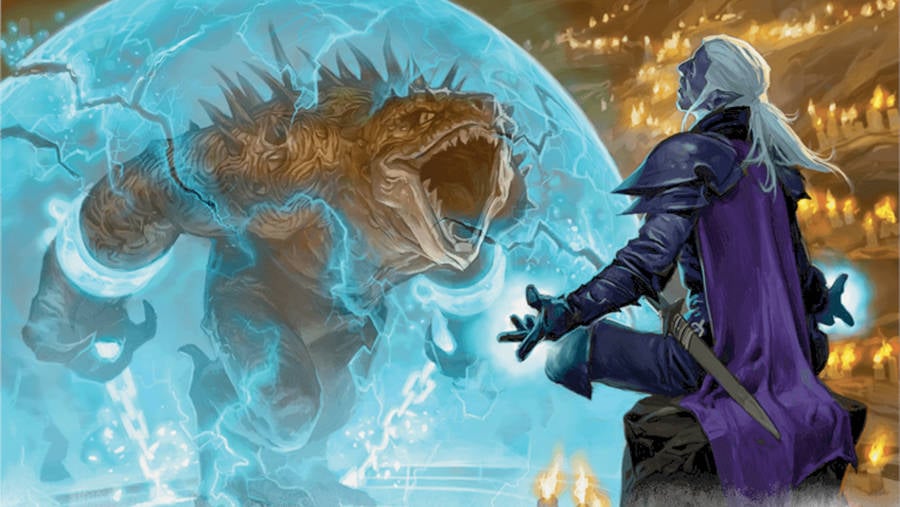
Warlock 5e stats
| Hit dice | 1d8 per level |
| HP at level up | 1d8 (or five) + Constitution modifier |
| Primary ability scores | Charisma |
| Armor proficiencies | Light armor |
| Weapon proficiencies | Simple weapons |
| Tool proficiency | None |
| Saving throws | Wisdom and Charisma |
Choosing ability scores for a Warlock is straightforward: increase your Charisma above everything else. As their spellcasting ability, Cha will ultimately determine the utility of your Warlock – what they can do, how well they can do it, and how reliably they can perform. Regardless of what type of character build you’ll be playing, you’ll need Cha coming out of your ears to make it effective.
Constitution should be your secondary focus. Although Warlocks aren’t nearly as feeble as the scrawny Wizard 5e, their limited DnD armor proficiencies and low hit dice make them vulnerable. Your Pact Magic will be no use if you spend most battles crumpled on the floor, so nip it in the bud by inflating Con to your second-highest ability score.
A reasonable Dexterity score can be useful for boosting your defense, as you cartwheel away from an incoming crossbow bolt. It also makes ranged DnD weapons slightly more practical, for those unfortunate moments in which you’ve run out of spell slots and really don’t feel like casting Eldritch Blast for the fiftieth time.
Leave Strength, Intelligence, and Wisdom to fall by the wayside. Distribute ability scores across these three for their roleplaying implications, rather than their combat buffs.
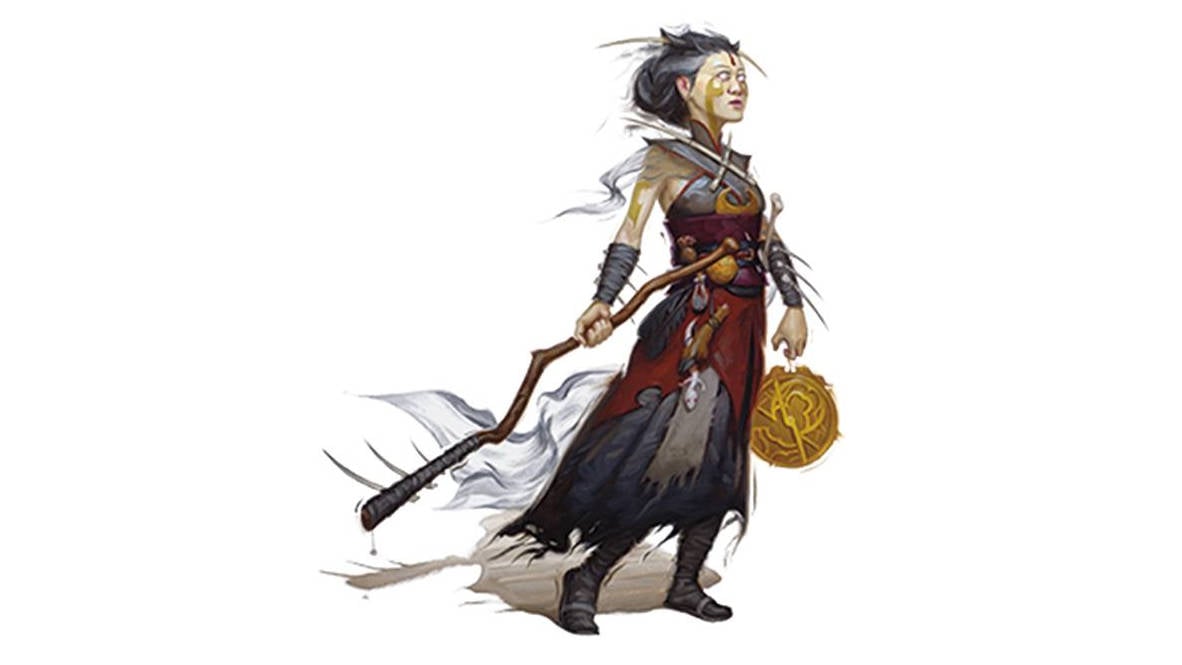
DnD Warlock spells
While a Wizard can learn their magical abilities by unlocking the arcane secrets of ancient texts, and the Sorcerer 5e is naturally imbued with magical potential, Warlocks’ spellcasting faculties come solely through ‘Pact Magic’ – the deal they strike with their Patron.
This makes for a few major differences from other spellcasters, the most noticeable being Warlocks’ limited spell slots. At level one, you’ll only have a single spell slot available, which is upped to a measly two until you pass level ten.
However, unlike your more bookish compatriots, Warlocks regain their spell slots after only a short rest, letting you refresh yourself mid-adventure. The idea is, you’ll fall back on your (brilliant) DnD cantrips.
You’ll still learn new spells with each level, and can even use these instances to replace a learned spell with another from the Warlock list – useful for testing out a variety before settling on a core list, or switching your spells to suit the next adventure. Here are some notable spell options.

At first level, Hex is the pre-eminent choice. It adds an extra 1d6 necrotic damage to a target creature whenever it’s successfully attacked, as well as landing it with a disadvantage on ability checks made in a score of your choice. Hex neatly complements planned party assaults, as you line up a foe for a stronger player to knock down.
Charm Person makes for some useful fighting tactics, as well as hilarious roleplaying antics, while Armor of Agathys is a fantastic defensive spell that protects you with five temporary hit points and damages the enemy when hit.
Later, you should be looking to combine your magical abilities to fully leverage their potential. Darkness can be cast to snuff out light, and grant yourself a tactical advantage if you’ve learned the Devil’s Sight invocation.
Tongues, granting you the ability to understand any language, is useful for those Warlocks who have built a charismatic personality, while Mental Prison is a great charm spell, locking a creature out of the fight.

At higher levels, you’ll gain access to area-of-effect attacks, like Maddening Darkness, as well as near game-breaking spells such as Foresight, which grants an advantage to every attack roll, ability check, and saving throw you perform over eight hours. Powerful stuff.
You’ll also be making persistent use of your cantrips, even at higher levels – and the star of the show is undoubtedly Eldritch Blast 5e. The highest damage-dealing cantrip in the whole game – when combined with the Agonizing Blast invocation, which lets you add your Charisma modifier to the damage dealt on every use – its 1d10 force damage can be easily combined with other invocations and spells, like Hex, to massively bolster its utility.
Besides that, you have some ‘back pocket’ options that are useful at times. Mage Hand 5e, which allows you to manipulate objects from a distance, can be vital for steering your party through the traps and puzzles of a dungeon, and Prestidigitation 5e can be shrewdly used to navigate entanglements of a more social variety. Or, consider Chill Touch 5e if you want more offensive options.
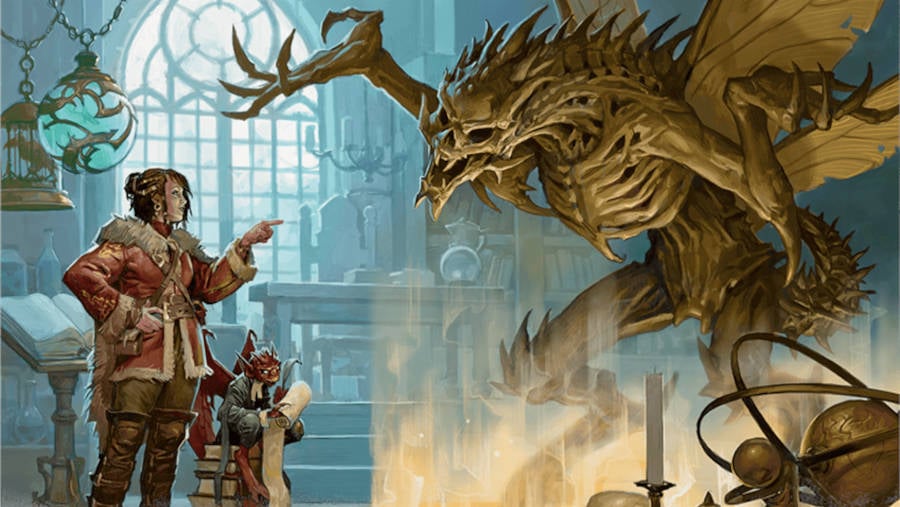
Eldritch Invocations 5e
Warlocks’ spellcasting abilities don’t end there. Perhaps most important are their bespoke Eldritch Invocations – fragments of esoteric knowledge that enhance your magical prowess, passed to you by your patron.
They’re an effective means of specializing your Warlock and patching up their weaknesses, through granting new spells, passive abilities, and cantrip buffs. Many don’t require the use of a spell slot, lending great liberties to your devious magic.
You’ll gain two Eldritch Invocations upon reaching level two, and an additional one for every two levels you ascend from fifth onward. Many require you to have formed a particular pact with your patron, or have reached a certain level, but some of the lower-level invocations are actually the most effective.

Agonizing Blast is a staple of nearly all Warlock repertoires, but there’re a few other standouts you should have your eye on.
For those that require no prerequisites, Armor of Shadows lets you cast Mage Armor on yourself without expending a spell slot (very useful if you’re taking a mixed sword and spellcasting route), and Eldritch Sight lets you cast Detect Magic 5e should your party’s Wizard be lacking in the detection department.
Mask of Many Faces, which lets you disguise yourself at will, makes for some creative adventuring, while higher level invocations, such as Maddening Hex – which causes automatic psychic damage to a creature under your hex – can turn the tide of combat.
When choosing between them, consider the build of your Warlock and whether an invocation might complement your existing strengths. Also pay close attention to your party members: do you really need Speak with Dead if a trusty Necromancer is by your side?
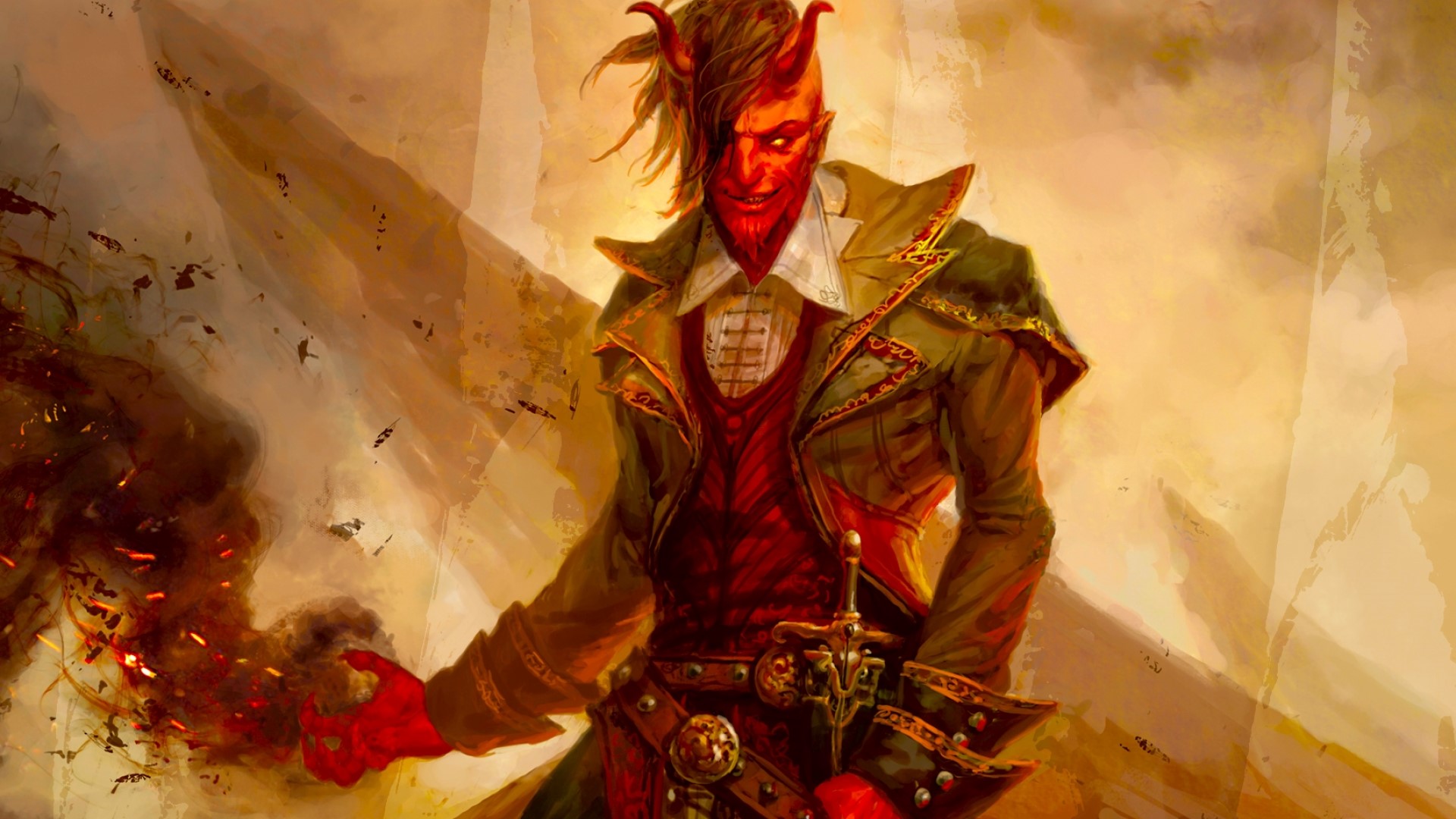
Best race for Warlock 5e
Any race that grants a natural Charisma boost will be an excellent choice. The Tiefling 5e is something of a go-to Warlock race for their +2 Charisma, as well as their access to a few racial Charisma-driven spells. Plus, their infernal heritage often closely aligns with the nefarious machinations of their patron, making for some accessible roleplay.
Aasimar also work wonderfully for their innate +2 Charisma, and bring a peculiar personality to a Warlock. Their divine heritage and inclinations for good is an interesting counterpoint to the maleficence of their patrons. Or match them with a Celestial patron, and fully embrace divination.
A DnD Half-elf or a Yuan-ti also brings a natural +2 Charisma, but have less obvious roleplaying touchstones (although that, in itself, is no bad thing).

DnD Warlock subclasses
Your choice of Warlock 5e subclass is determined by your choice of patron – the all-powerful, otherworldly being you pledge your allegiance to in return for a scintilla of your magical abilities.
Subclasses work a little differently for Warlocks than the rest of the D&D classes. They’re chosen at level one, and grant you an expanded batch of spells to add to your spell list, additional combat abilities, passive buffs, and more. They also serve as essential roleplaying touchstones for your character. Give some serious thought as to which Patron will best serve your intended build.
The Fiend
Found in: Player’s Handbook
| Level | Subclass abilities |
| 1 | Fiend spells, Dark One’s Blessing |
| 6 | Dark One’s Own Luck |
| 10 | Fiendish Resilience |
| 14 | Hurl Through Hell |
Make a pact with a Fiend if you favor fiery destruction above all. The abilities granted by this subclass are tailored towards killing, and killing things quickly. Its spell list lets you blast your way into the fray – with staples like Fireball, Burning Hands, and Wall of Fire – while Drak One’s Own Luck and Fiendish Resilience will keep you fighting harder and longer. Hurl Through Hell might be the most literal D&D 5e spell, and is just as good as it sounds.
Destruction and corruption being the primary concerns of Fiends, these patrons are plain evil. Typical examples include Demon Lords, Balors, Archdevils, and other infernal creatures. You don’t have to be evil yourself to strike up a deal with them, and may be tempted to befriend them for the incredibly powerful spell list.

The Archfey 5e
Found in: Player’s Handbook
| Level | Subclass abilities |
| 1 | Archfey spells, Fey Presence |
| 6 | Misty Escape |
| 10 | Beguiling Defenses |
| 14 | Dark Delirium |
Whimsical, immortal, and god-like, Archfeys are in the business of charming deception. Beguiling Defenses lets you turn the offensive charms of your enemies against them, while Dark Delirium has you contort reality to twist the sanity of opposing creatures.
As well as dishing out damage you’ll be opening up your enemies for punishing harries or clearing the way for a quick escape. Particularly useful is their first-level spell Faerie Fire, which lets you magically outline every object and creature in the vicinity; useful for detecting invisible enemies.
Not all Archfeys are actually fairies. They’re a variable bunch that include any creatures who have taken a piece of the Feywild under their own control – including the infamous Queen of Witches, Baba Yaga, or the deity Oberon. Chaotic and self-serving, these patrons will ask a lot from their followers, and give back only as much as they see fit.
The Great Old One 5e
Found in: Player’s Handbook
| Level | Subclass abilities |
| 1 | The Great Old One spells, Awakened Mind |
| 6 | Entropic Ward |
| 10 | Thought Shield |
| 14 | Create Thrall |
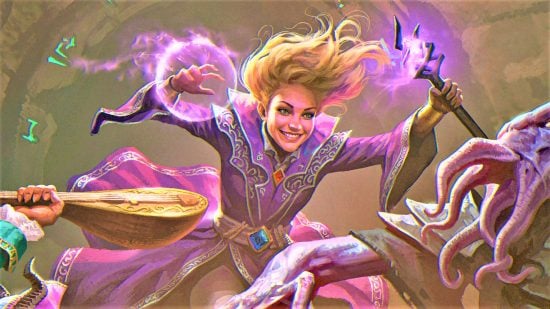
This subclass is all about festering psychological terrors in the feeble minds of your enemies, while producing mind-altering enhancements that will protect you from the pernicious mental alterations of others. Its spell list features lots of control options that are handy for implementing co-ordinated attacks with the rest of your party.
Awakened Mind makes for some fantastically rich roleplaying encounters, while Create Thrall is plain fun. If your DM is running a campaign with lots of DnD Mind Flayers, Thought Shield will make all the difference.
Ancient beings that deal with powers too illogical and elusive for mortal minds to comprehend, their knowledge is immeasurable, and the scope of their power untold. Most have been worshiped as deities at some point, including the Chained God Tharizdun or the (absolute classic) Great Cthulhu.
The Hexblade 5e
Found in: Xanathar’s Guide to Everything
| Level | Subclass abilities |
| 1 | The Hexblade spells, Hexblade’s Curse, Hex Warrior |
| 6 | Accursed Specter |
| 10 | Armor of Hexes |
| 14 | Master of Hexes |
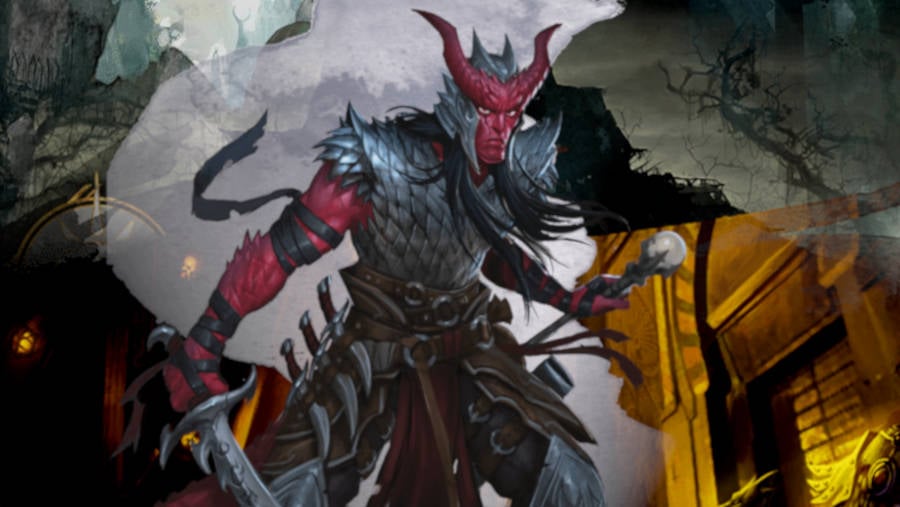
The martial, close-combat, super melee Warlock subclass, Hexblades are here for the fight and they’ll jolly well make a good show of it. Hex Warrior grants proficiency in medium armor, shields, and martial weapons, making it finally feasible for Warlocks to effectively brandish a sword on the front line. Hexbalde’s Curse effectively lets you deal massive damage to a single target, scaling nicely as you level up.
Being able to use your Charisma modifier for attacks lets you wail on enemies up close before relying on bursts of spellcasting for the bigger foes. The Hexblade spells are rather meager, however, so you’ll have to wait until you can use fifth-level Banishing Smite before really feeling its effects. Even so, Eldritch Blast combined with formidable melee damage should not be sneered at.
The Celestial 5e
Found in: Xanathar’s Guide to Everything
| Level | Subclass abilities |
| 1 | The Celestial spells, Bonus Cantrips, Healing Light |
| 6 | Radiant Soul |
| 10 | Celestial Resistance |
| 14 | Searing Vengeance |
Turn your Warlock into a Cleric 5e with The Celestial subclass. Alongside offering many Cleric spells focused on healing and restoration, Healing Light lets you fix up the wounds of your party, while Celestial Resistance lets you replenish their hit points after a Long Rest. It’s not all heal, heal, heal, though. Your spell list also includes a few damage-dealing options, such as Wall of Fire and Guiding Bolt, while Searing Vengeance will have you become a walking death machine.
Celestial patrons are the goody-two-shoes of Warlock sponsors. Angels, unicorns, and empyrean, they belong to the Upper DnD Planes, but will share with you a sliver of the holy light cast across the universe. Pairing a Celestial Warlock with a martial Cleric can be a solid way of splitting healing duties while keeping each character versatile.
The Genie 5e
Found in: Tasha’s Cauldron of Everything
| Level | Subclass abilities |
| 1 | The Genie spells, Genie’s Vessel |
| 6 | Elemental Gift |
| 10 | Sanctuary Vessel |
| 14 | Limited Wish |
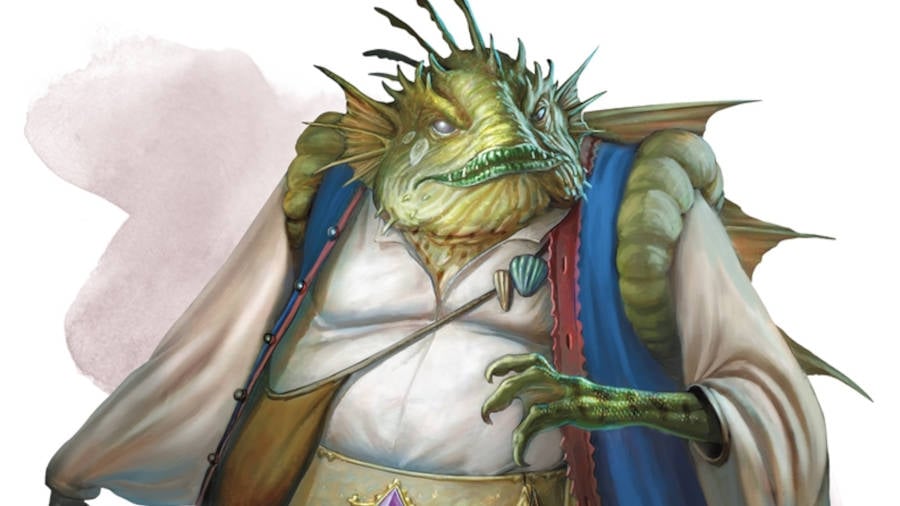
Strike an agreement with a Noble Genie to unlock a truly astonishing array of offensive and defensive spells. This subclass operates a little differently from the rest,
The four selectable genie types differ significantly, and, aside from their thematic delineations, have no obvious specialization. Whichever you pick, you’ll be handed a strong mix of damage-dealing and protection spells, as well as the much-coveted Wish. A great option for those looking to play creatively, and take a more versatile role in their party.
Learn more in our DnD Genie Warlock guide.
The Undying 5e
Found in: Sword Coast Adventurer’s Guide
| Level | Subclass abilities |
| 1 | The Undying spells, Among the Dead |
| 6 | Defy Death |
| 10 | Undying Nature |
| 14 | Indestructible Life |
Offering yourself to an immortal being who’s cheated death, you’ll learn various necromancy spells and passive buffs to keep your legs moving and your body breathing. Forging a pact with an Undying patron is all about survivability. You’ll learn Spare the Dying cantrip at level one, letting you stabilize teammates at zero hit points, while Defy Death lets you pour extra hit points on them to get them back into action.
Although fraternizing with liches and deathless Wizards sounds like a whole heap of fun, the Undying patron is unfortunately clearly the weakest patron in the game. It’s a solid thematic choice, but gives few abilities that can’t be replicated, or surpassed, by the spell lists of other patrons.
The Fathomless 5e
Found in: Tasha’s Cauldron of Everything
| Level | Subclass abilities |
| 1 | The Fathomless Spells, Tentacle of the Deep, Gift of the Sea |
| 6 | Oceanic Soul |
| 10 | Guardian Coil |
| 14 | Grasping Tentacles |
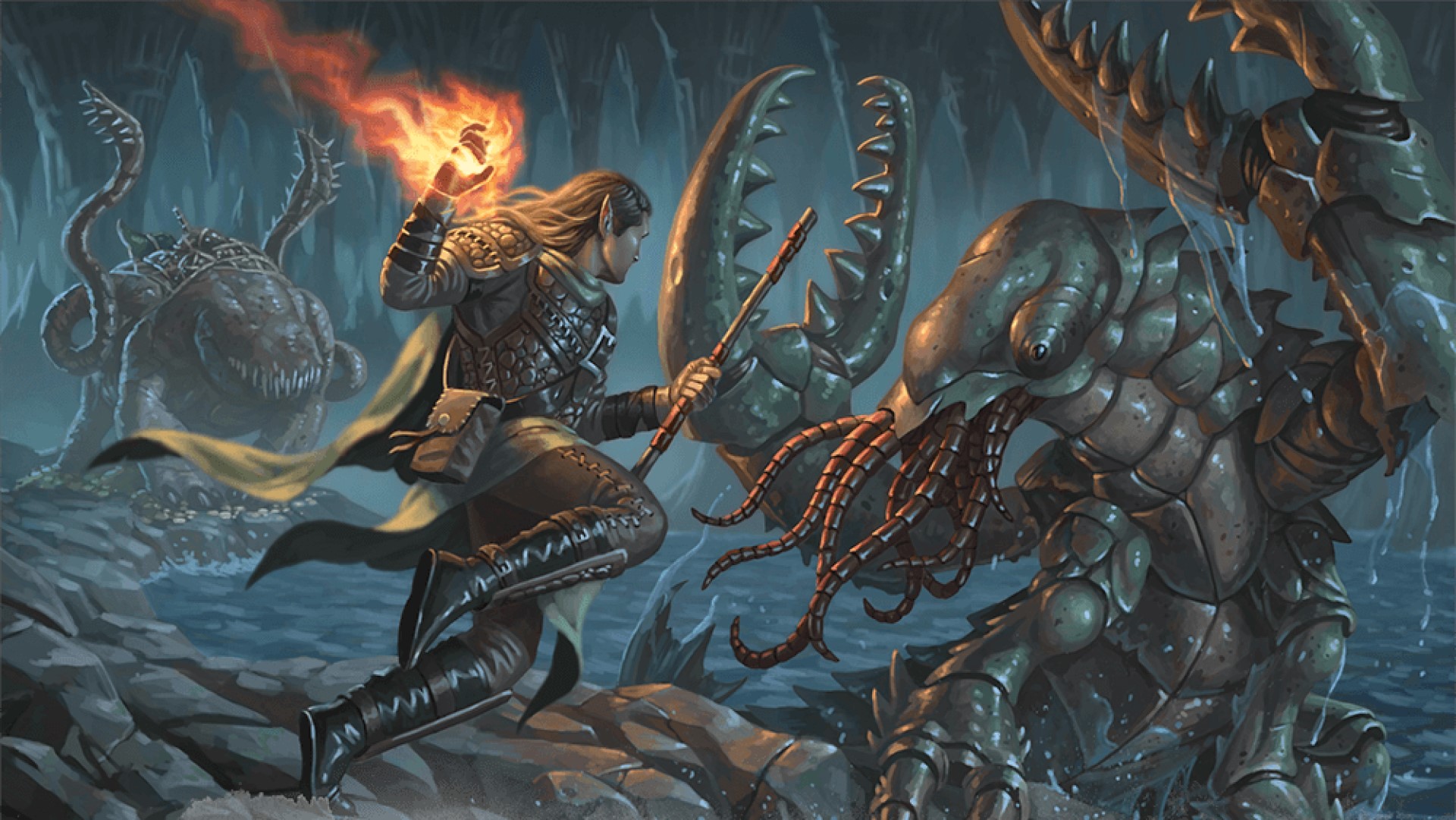
The aquatic subclass. Form a pact with a deep-sea monster, whether the ghost of a pirate captain feeding upon the lost souls of sailors, or a water elemental stalking the ocean floor, to gain a bunch of situational abilities that will be incredibly useful in naval campaigns. From first level, you can summon a huge tentacle to smite your foes, while Guardian Coil lets you use your new suction-cupped friend as a shield.
You’ll get a bunch of situational combat spells that work best when surrounded by water. Pick the Fathomless patron if you know your adventure will frequently take you to oceans, swamps, or other watery terrain.

Warlock 5e pacts
Upon reaching third level, you’ll choose one of three ‘pact boons’, granted by your Patron. Warlock 5e pacts provide powerful abilities, and are a prerequisite for some invocations, but none is particularly better than the rest, so pick whichever appeals, or whichever you think you could make the most use of.
Pact of Chain
Summon a familiar to your side, which may take any usual form, or a special embodiment, including an imp, pseudodragon, quasit, or sprite. Abilities differ between each, and higher-level invocations allow you to use your familiar in novel ways, like communicating telepathically with them, or perceiving the world through their senses. Good fun.
Pact of the Blade
Combat-focused, this pact lets you create a magical ‘pact weapon’ instantaneously in your hand. You can choose any weapon in which you’re proficient, but will have to perform an hour-long ritual to prepare it for such magical creation.
Pact of the Tome
Opening up your spellcasting variety, you’ll gain a Book of Shadows, letting you pick three cantrips from any class’s spell list. You can cast them whenever the book is on your person, and can even replace it if an unfortunate accident should take it from you.

Warlock 5e builds
Warlocks excel for their versatility. Few other classes can be played in such a variety of ways, and no other spellcasters have as unique an array of magical options. While your playstyle will be largely determined by your chosen patron and pact, much is also decided by your stat and spell combinations.
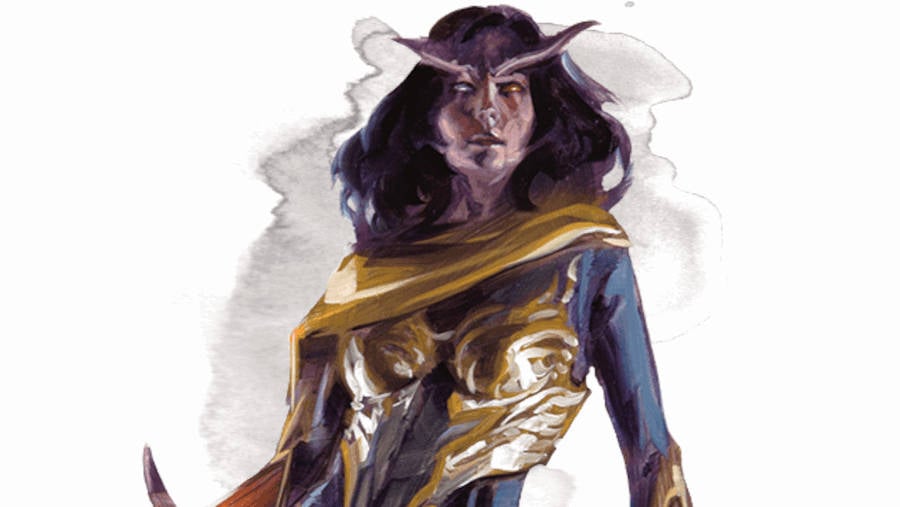
Fiendish Tiefling
A classic build that will earn you no points for originality but ticks all the right boxes, think of this as an introductory Warlock build that’ll ease you in. Combine a Tiefling – which is something of the go-to Warlock race – with the Fiend subclass for an added dollop of devilry, it’s a build attuned to offensive, fiery spellcasting.
Ability scores
As a spellcaster, Cha should be your focus, so pump it this DnD stat as much as you can, as quickly as possible. Raise Con next, so as to keep you fighting fit, then look to bolster Dex. The final three can be largely forgotten.
Details
Pick Tiefling as your character race. The +2 Cha will essential to boosting your spellcasting, and their racial spells are an added bonus. The +1 Int is wasted, but that’s no bother.
At first level, strike a deal with The Fiend. Their spell list offers a solid batch of offensive options, and the Dark One’s Blessing ability will buoy your hit points until you’ve been able to inflate your Con score.
As for Pact Magic, choose Eldritch Blast (of course) and Prestidigitation for your cantrips, alongside Hellish Rebuke and Armor of Agathys, for when you’re in a tight spot. Take a crossbow as your simple weapon; you’ll be switching between it and Eldritch Blast for most of your attacks.

On reaching level two, you’ll learn two Eldritch Invocations. Agonizing Blast is a must for upping the damage of your Eldritch Blast, while Beguiling Influence can equip you well for the non-combat elements of your campaign.
For your third-level Pact Boon, pick Pact of the Tome. The three extra cantrips will solidify you as the reliable but versatile party spellcaster. You can also use this moment to pick up some support or healing spells if your party is hurting.
Level four is easy: spend your ability score improvement on Cha, pick Mage Hand for a cantrip, and take Burning Hands as your new spell.
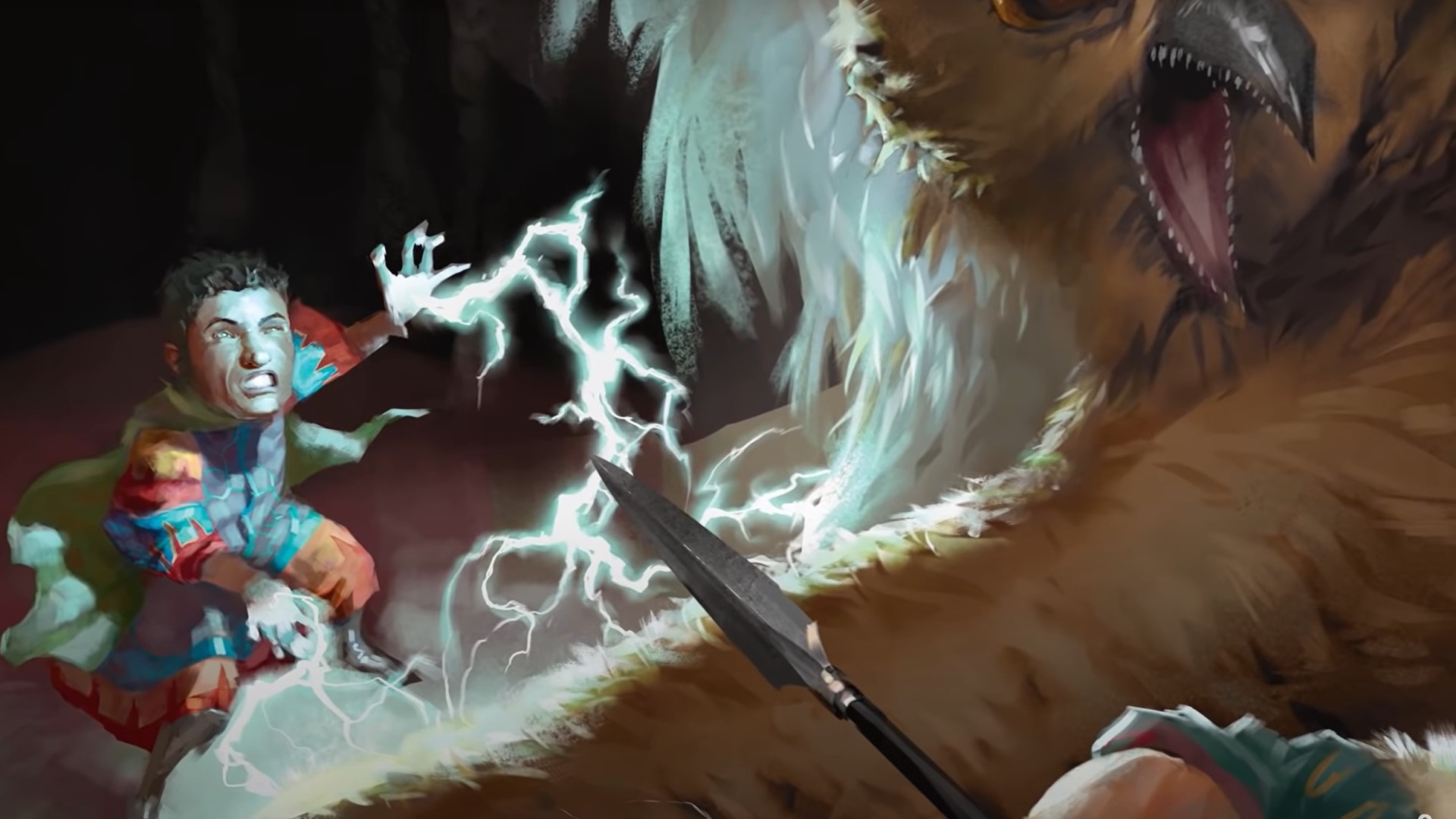
At level five, pick Repelling Blast as your new Eldritch Invocation to boost your Eldritch Blast even further. You’ll need to think carefully about battlefield positioning and environments to use it most effectively. Now is also a good time to replace one of your spells with Fireball 5e.
From here, maximize your Cha as quickly as possible. When it comes to new spells, nothing is going to overcome your super-buffed Eldritch Blast and Fireball combo, so pick options that will either provide support to your party, or fun roleplaying opportunities.
One DnD Warlock
The upcoming 2024 Player’s Handbook introduces a whole new version of the Warlock. The One DnD Warlock, as we’ve been calling it during playtesting, is still the familiar caster we love, but a lot has changed.
The video above is the most recent in-depth playtest of the Warlock class. After previous playtest changes had been scrapped, it seems like people are starting to like the Warlock again. Only time – and the full One DnD release – will tell how popular the new Warlock is, though.
Until then, here’s a summary of the biggest changes to the class, as of Playtest 7:
- You gain your first Eldritch Invocation at level one instead of two.
- You don’t choose your subclass – and learn who your Patron is – until level three.
- The new level-two Magical Cunning feature helps you regain spell slots without taking a long rest.
- At level nine, your Contact Patron feature means you can cast Contact Other Plane to reach your Patron once per long rest.
Looking for more magical Warlock options? Check out the recent class changes proposed by Wizards of the Coast. The books including new Warlock rules are quickly approaching in the DnD release schedule – but until they’re here, try this homebrew Gym Bro patron to spice up your next campaign.